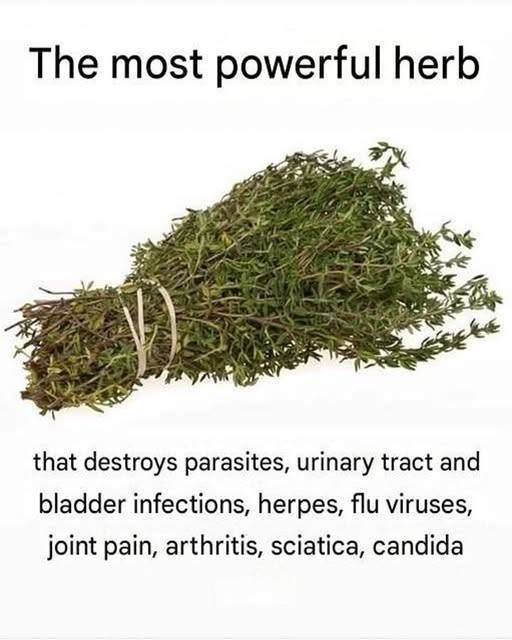
Ah, thyme—a small herb with a surprisingly big impact in cooking! 🌿 Here’s the lowdown:
What It Is:
- Thyme is a fragrant herb in the mint family, native to the Mediterranean.
- It has small, green leaves on woody stems and a subtle earthy, slightly minty flavor.
Culinary Uses:
- Savory dishes: Excellent in roasted meats (chicken, beef, lamb), stews, soups, and vegetables.
- Herb blends: A key component in bouquet garni, herbes de Provence, and Italian seasoning.
- Infusions: Can flavor oils, butter, and even broths.
Forms:
- Fresh thyme – Use the tender leaves; stems can be used for flavoring but removed before eating.
- Dried thyme – More concentrated flavor; about 1/3 the amount of fresh thyme is needed.
- Ground thyme – Used in rubs, seasoning blends, and marinades.
Tips for Cooking:
- Add early in slow-cooked dishes (soups, stews, roasts) to allow flavor to develop.
- For fresh thyme, strip leaves from stems before adding to dishes.
- Pair with garlic, lemon, rosemary, oregano, or parsley for robust flavor combinations.
Fun fact: Thyme was historically believed to bring courage and was even used in embalming in ancient Egypt!
I can also give a quick guide on how to grow and use fresh thyme in your kitchen for maximum flavor if you want.
Do you want me to do that?
