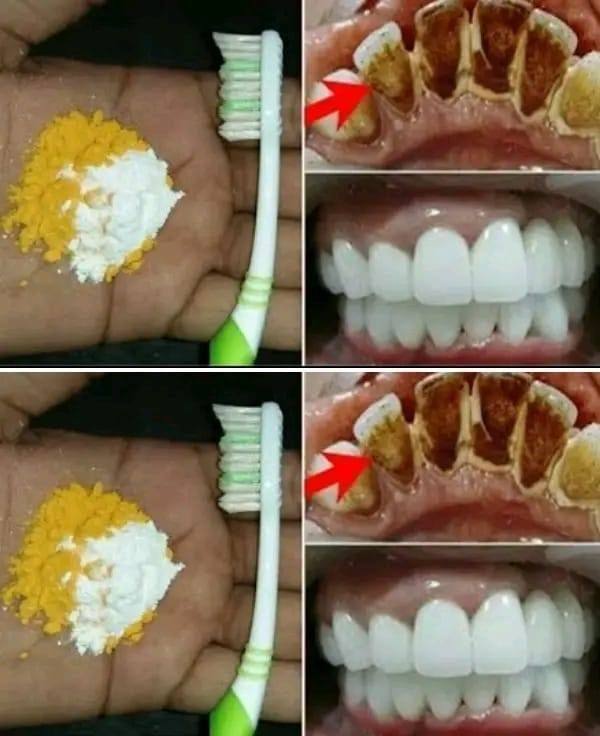
Home teeth whitening is a popular way to brighten your smile using various products or natural remedies. 🌟 While it’s effective for many people, it’s important to approach it carefully to avoid damaging enamel or gums.
Common Methods for Home Teeth Whitening
1. Whitening Toothpaste
- Contains mild abrasives and chemicals to help remove surface stains.
- Generally safe for daily use but not as effective for deep stains.
- Look for ones with whitening agents like hydrogen peroxide or baking soda.
2. Whitening Strips
- Thin, flexible strips coated with a peroxide-based gel.
- Apply directly to your teeth for 30 minutes to an hour (based on instructions).
- Results show up within several days to a week.
- They can be effective but might cause sensitivity, especially if used too often.
3. Whitening Trays (Custom or Pre-filled)
- Pre-filled trays or custom trays (from your dentist) are filled with bleaching gel.
- Trays are worn for a specific time period, usually 1-2 hours or overnight.
- These can provide longer-lasting results compared to strips or toothpaste.
4. Baking Soda and Hydrogen Peroxide Paste
- Baking soda has mild abrasive properties that help scrape off surface stains.
- Hydrogen peroxide is a bleaching agent that helps whiten teeth.
- How-to: Mix a small amount of baking soda with a few drops of hydrogen peroxide to form a paste. Gently brush with the mixture, but don’t overdo it, as excessive abrasion can damage enamel.
- Use this method 1-2 times a week.
5. Oil Pulling (Coconut Oil)
- Involves swishing oil (like coconut oil) in your mouth for 10-15 minutes.
- It may help reduce plaque and bacteria, leading to whiter teeth over time.
- This is a gentle, natural method that also improves oral hygiene but may not produce immediate drastic whitening results.
6. Activated Charcoal
- Activated charcoal powder is believed to remove surface stains.
- Wet your toothbrush and dip it in the powder. Gently brush for 2 minutes.
- Be cautious: Overuse can wear down enamel and cause gum irritation.
Tips for Effective Teeth Whitening
- Avoid overuse: Over-whitening can cause tooth sensitivity and enamel damage.
- Be patient: Most at-home methods take several days to weeks for noticeable results.
- Brush regularly: Keep your teeth clean and avoid staining foods like coffee, tea, and red wine to maintain the whiteness.
- Use a straw: When drinking dark liquids, using a straw can reduce staining.
- Avoid acidic foods: They can wear down enamel, making your teeth more susceptible to staining.
Caution
- If you have sensitive teeth or gum issues, it’s a good idea to consult a dentist before starting any whitening routine.
- Professional treatments (like whitening from your dentist) may be more effective and safer for individuals with significant staining or sensitivity.
💡 Tip: A balanced diet with plenty of water helps maintain a bright smile and reduces the risk of stains forming in the first place.
If you want, I can also show you:
- The pros and cons of professional vs. at-home teeth whitening
- How to make a natural teeth-whitening paste
- How to reduce sensitivity during teeth whitening.
