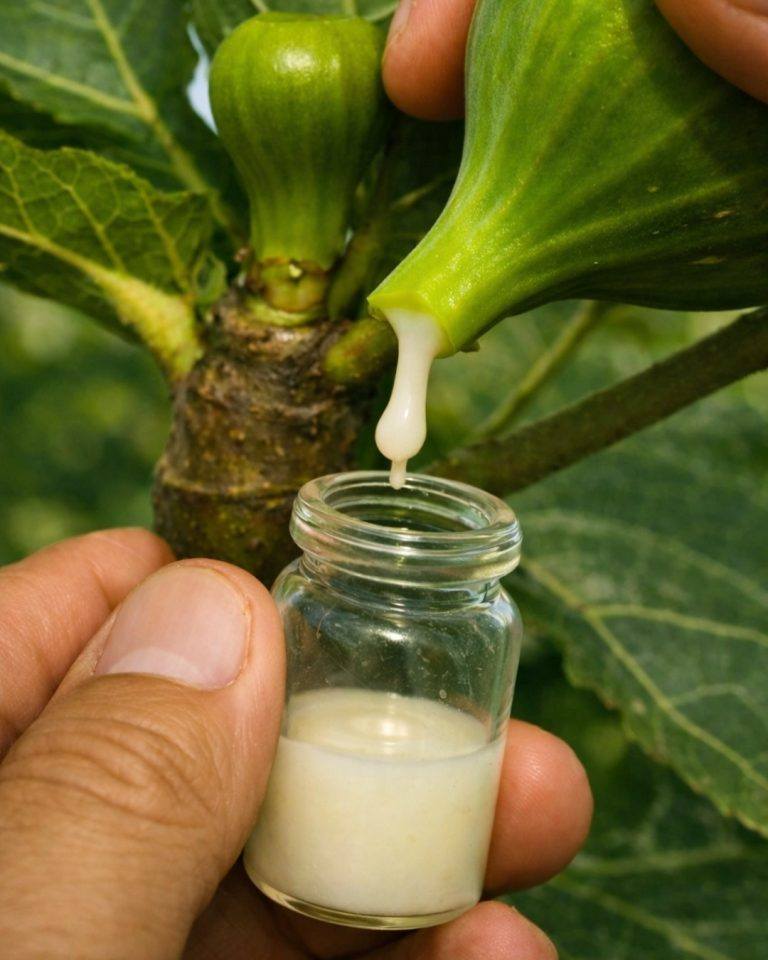
Fig is a sweet, pear-shaped fruit that grows on the fig tree (Ficus carica), which is native to the Middle East and Western Asia. 🍇 It’s known for its soft texture, edible seeds, and rich flavor.
Key Features
- Skin: Thin, smooth, and can range from green to yellow to purple depending on the variety
- Flesh: Soft and jam-like, ranging in color from light pink to deep red
- Seeds: Tiny and crunchy, embedded throughout the flesh
- Taste: Sweet, slightly earthy, and sometimes tangy
Nutritional Benefits (per 100g fresh fig)
- Calories: ~74 kcal
- Fiber: High, about 2.9g per 100g, supporting digestion
- Vitamins & Minerals: Rich in vitamin K, B6, copper, magnesium, and potassium
- Antioxidants: Contains phenolic compounds that have antioxidant properties
Common Ways to Eat Figs
- Fresh: Enjoy them as a snack or added to salads
- Dried: Commonly used in baked goods, jams, or as a snack
- In cooking: Added to roasts, stews, or cheese plates
- Smoothies: Blended with other fruits for added sweetness and texture
Storage Tips
- Fresh figs: Keep in the fridge for up to a few days.
- Dried figs: Store in a cool, dry place for longer shelf life.
💡 Fun Fact: Figs have been cultivated for thousands of years and were even considered sacred in ancient civilizations. They are mentioned in both the Bible and in ancient Egyptian texts.
If you want, I can also show you:
- A simple recipe for fig jam
- How to dry figs at home
- Figs and cheese pairings for a perfect appetizer.
