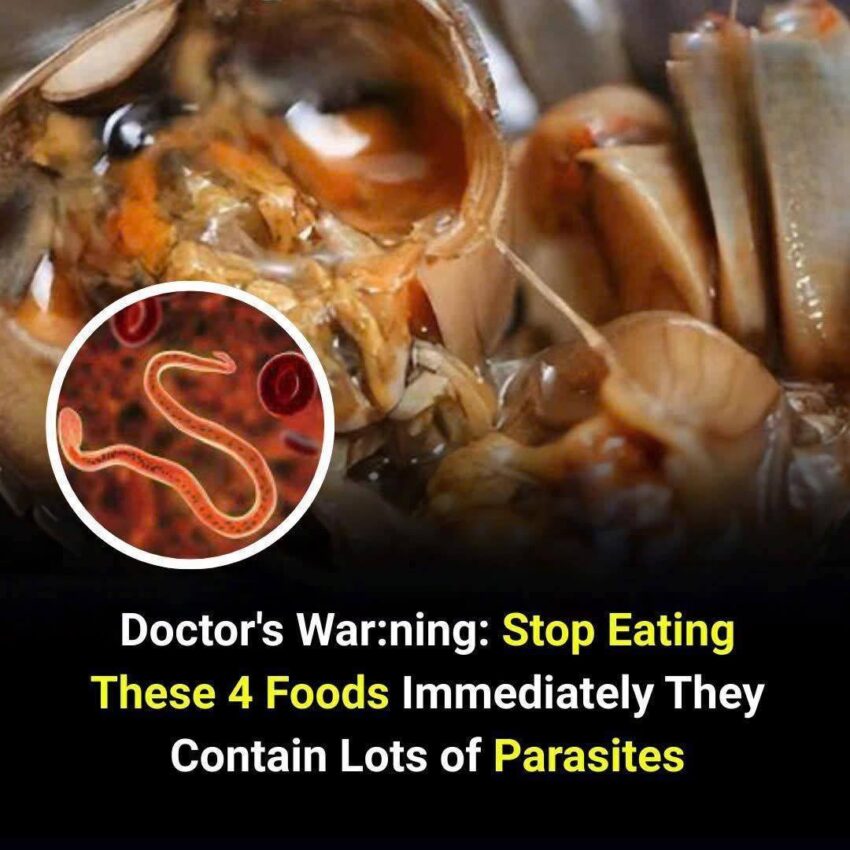
A Parasitic worm is a type of worm that lives on or inside a host organism and derives nutrients at the host’s expense. These worms can infect humans, animals, and plants, often causing a range of health problems. 🪱
Common Types of Parasitic Worms
- Nematodes (Roundworms) – e.g., Ascaris lumbricoides; often infect intestines
- Cestodes (Tapeworms) – e.g., Taenia saginata; absorb nutrients through their skin
- Trematodes (Flukes) – e.g., liver flukes; live in organs like liver or lungs
- Hookworms & Pinworms – commonly affect intestines, causing digestive and nutritional issues
How Humans Get Infected
- Ingesting contaminated food or water (tapeworms, roundworms)
- Skin contact with contaminated soil (hookworms)
- Poor hygiene or fecal contamination
- Vector-borne transmission (some flukes)
Symptoms of Intestinal Worm Infection
- Abdominal pain, bloating, nausea
- Diarrhea or constipation
- Weight loss or nutrient deficiencies
- Fatigue and weakness
- Visible worms in stool (in some cases)
Prevention Tips
- Wash hands thoroughly, especially before eating
- Cook meat properly to kill larvae
- Drink clean, safe water
- Maintain good sanitation practices
💡 Treatment: Many parasitic worm infections can be treated with anthelmintic medications such as albendazole or mebendazole, prescribed by a healthcare professional. Early diagnosis helps prevent complications like malnutrition or organ damage.
I can also provide a simple guide to identifying the most common intestinal worms in humans and their specific symptoms.
