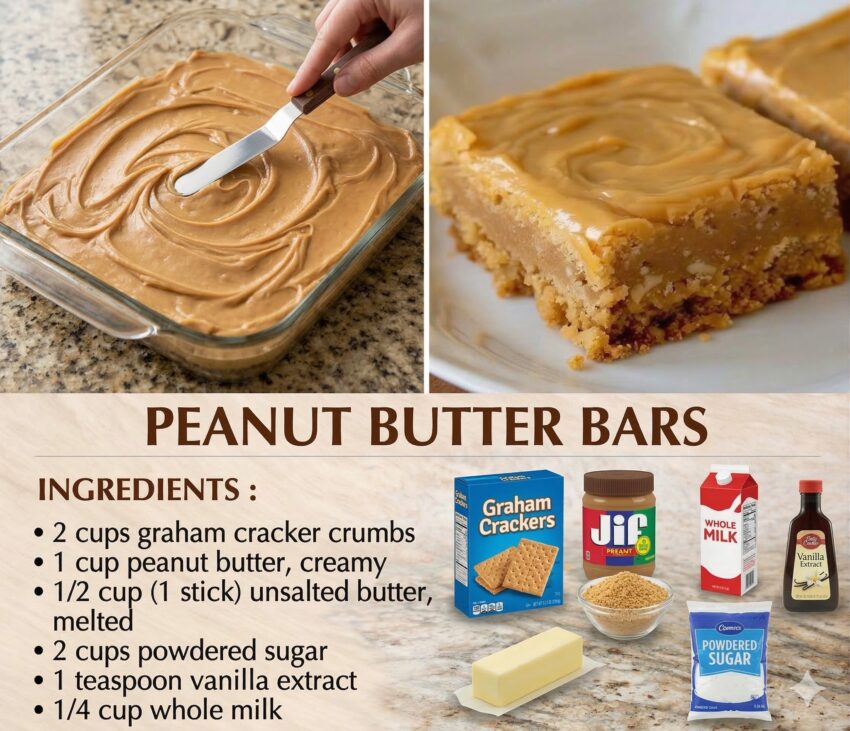
Peanut butter is a spread made from ground dry-roasted peanuts, often mixed with a bit of oil, salt, and sometimes sugar or honey. 🥜 It’s a staple in many kitchens worldwide due to its rich flavor, versatility, and high protein content.
Key Features
- Texture: Smooth or chunky
- Flavor: Nutty, slightly sweet, and savory
- Form: Spreadable paste
Nutritional Benefits
- Protein: Supports muscle repair and growth
- Healthy fats: Mostly monounsaturated and polyunsaturated fats
- Vitamins & minerals: Magnesium, Vitamin E, potassium
- Fiber: Helps with digestion
Common Uses
- Sandwiches: Classic peanut butter & jelly or banana sandwiches
- Baking: Cookies, brownies, and energy bars
- Smoothies: Adds creaminess and protein
- Sauces & Dressings: In Asian-inspired peanut sauces for noodles or salads
- Snacks: Paired with fruits like apples or celery
Tips
- Stir natural peanut butter well before using to mix the oil.
- Store in a cool, dry place; natural versions may separate.
- For healthier options, choose peanut butter without added sugar or hydrogenated oils.
💡 Fun Fact: Peanut butter has been around in some form since the late 19th century and became a popular protein-rich food during the 20th century, especially in the United States.
I can also provide 5 creative ways to use peanut butter beyond sandwiches if you want.
