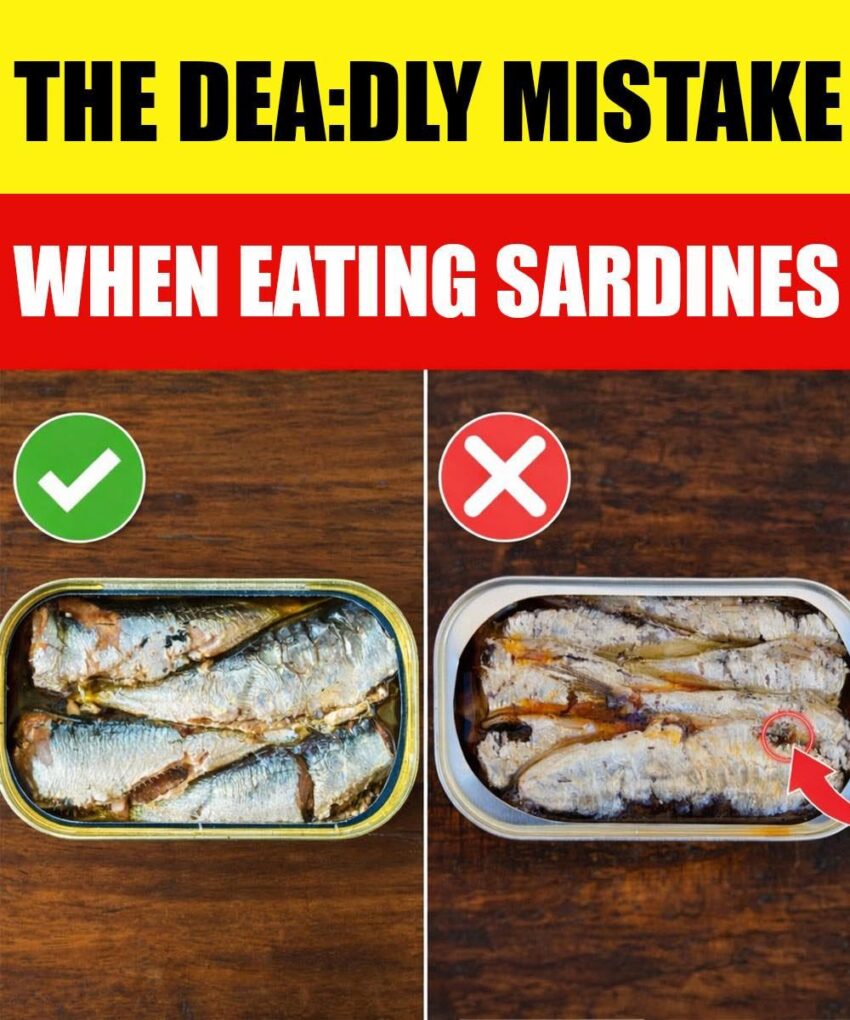
Canned sardines are small oily fish that are cleaned, cooked, and preserved in a sealed can—usually packed in oil, water, or tomato sauce. 🐟 They are nutritious, affordable, and ready to eat.
Key Features
- Fish type: Usually species from the Sardine or closely related fish
- Packing liquids: Olive oil, water, mustard sauce, or tomato sauce
- Shelf life: Long-lasting because they are sealed and sterilized
- Ready to eat: No cooking required
Nutritional Benefits
Canned sardines are rich in:
- Omega-3 fatty acids – support heart and brain health
- Protein – helps muscle repair
- Calcium – from the soft edible bones
- Vitamin D – supports bone health
- Vitamin B12 – supports nerve and blood health
Common Ways to Eat Them
- On toast or crackers with lemon and pepper
- Mixed into salads
- Added to pasta or rice dishes
- Mashed with mayonnaise to make a sandwich spread
Tips
- If you prefer a milder flavor, choose sardines packed in olive oil or tomato sauce.
- Add lemon juice, onions, or chili flakes to balance the strong fish taste.
💡 Fun Fact: Because sardines are small and low on the food chain, they usually contain less mercury than large fish like Tuna.
If you want, I can also show you 5 surprisingly delicious canned sardine recipes that take less than 10 minutes. 🍽️🐟
