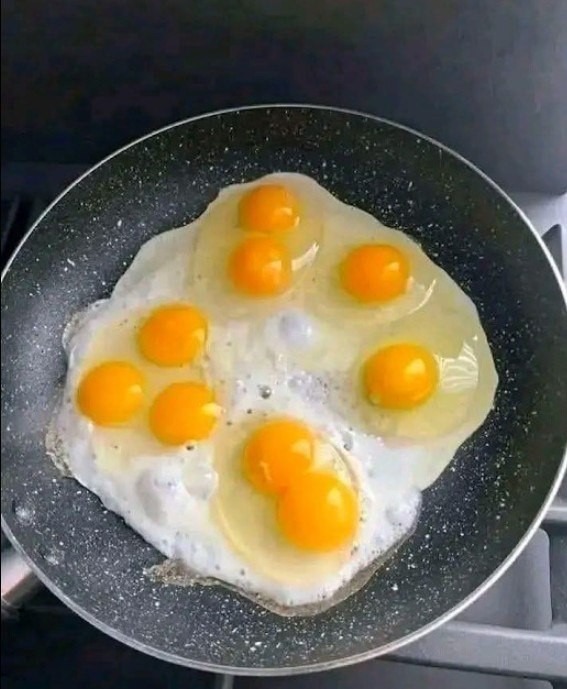
The egg yolk is the yellow inner part of an egg. It sits in the center of the egg white and is rich in nutrients and fats. 🥚
Key Facts
- Color: Yellow to deep orange (depends on the hen’s diet).
- Texture: Thick and creamy.
- Role in cooking: Adds richness, flavor, and helps emulsify sauces.
Nutrition (approx. for 1 yolk)
- Calories: ~55
- Protein: ~2.7 g
- Fat: ~4.5 g
- Contains vitamins A, D, E, B12, and minerals like iron and phosphorus.
Common Uses
Egg yolks are important in many dishes, such as:
- Custards
- Mayonnaise (traditionally made with egg yolk as the emulsifier)
- Hollandaise sauce
- Ice cream
- Baking (cakes, pastries)
Why yolks are important in cooking
The yolk contains lecithin, which helps mix oil and water together (emulsification). This is why sauces like mayonnaise and Hollandaise sauce become smooth and creamy.
Quick tip
If you need to separate egg yolk from the white:
- Crack the egg gently.
- Pass the yolk between the shell halves.
- Let the white fall into a bowl while the yolk stays in the shell.
If you want, I can also explain:
- 🍳 How to cook egg yolks perfectly
- 🥚 Health benefits vs. myths about egg yolks
- 👨🍳 Recipes that use only egg yolks.
