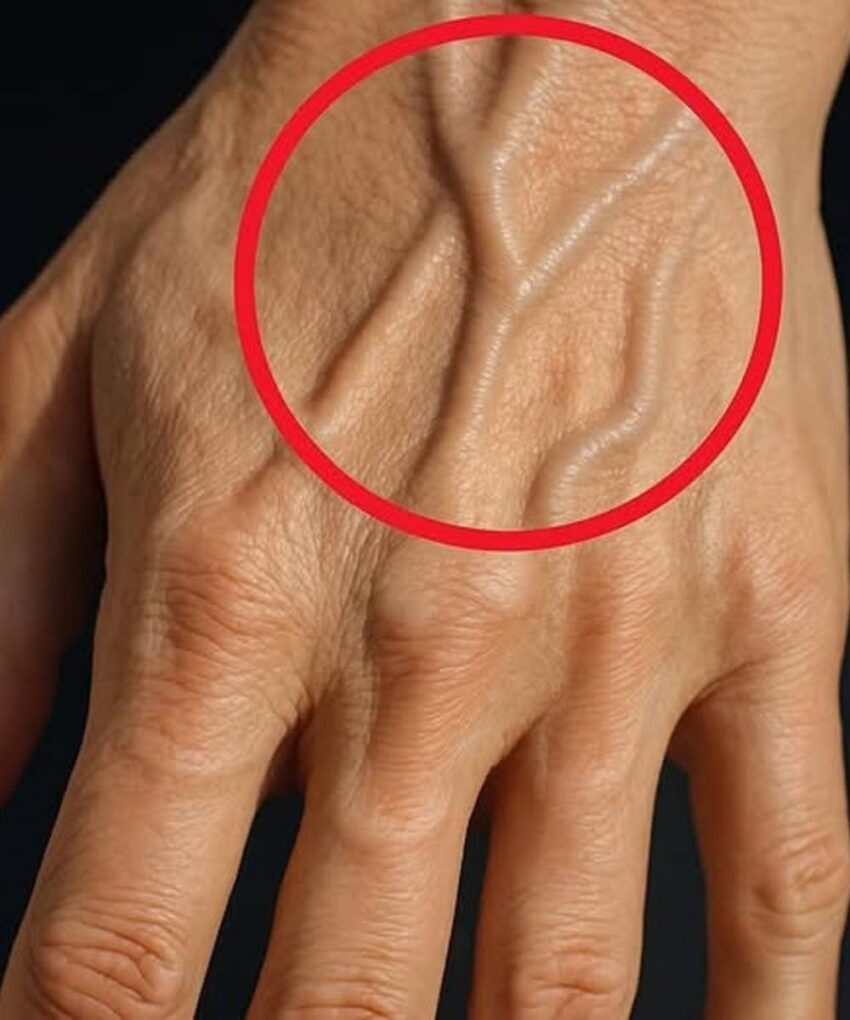
If you have visible veins, it means you are exhibiting one or more of the following conditions or characteristics—here’s a detailed breakdown:
1. Low Body Fat or Thin Skin
- When there’s less fat beneath the skin, veins stand out more because there’s less tissue covering them.
- People who are lean, athletic, or naturally thin often have more visible veins.
- Also, as we age, skin becomes thinner and less elastic, making veins more visible.
2. Good Circulation and Muscle Tone
- Well-developed muscles push veins closer to the surface.
- Increased blood flow from exercise causes veins to expand and become more prominent temporarily or even permanently in active people.
3. Genetics and Natural Anatomy
- Some people simply have veins closer to the skin or larger veins.
- Skin color and tone can affect visibility—lighter or thinner skin makes veins more obvious.
4. Increased Blood Pressure in Veins (Venous Pressure)
- During heat exposure, exercise, or even standing for long periods, veins dilate to help cool the body. This makes them more visible.
- Pregnancy also causes veins to enlarge due to increased blood volume.
5. Potential Health Conditions (Less Common)
Visible veins can sometimes indicate medical issues such as:
- Varicose veins: Enlarged, twisted veins often due to weakened valves.
- Venous insufficiency: Poor blood flow causing vein swelling.
- Blood clots or thrombosis: Usually accompanied by pain or swelling.
Summary
If you see visible veins, it most often means:
- You have low body fat or thin skin
- You are physically active with good muscle tone
- You have natural genetic traits making veins more visible
- Your veins are temporarily dilated due to heat or exercise
When to See a Doctor
If visible veins are accompanied by pain, swelling, color changes, or ulcers, or if veins bulge and become twisted, it’s best to consult a healthcare provider.
If you want, I can share ways to reduce or manage visible veins, especially if they bother you aesthetically or cause discomfort.
