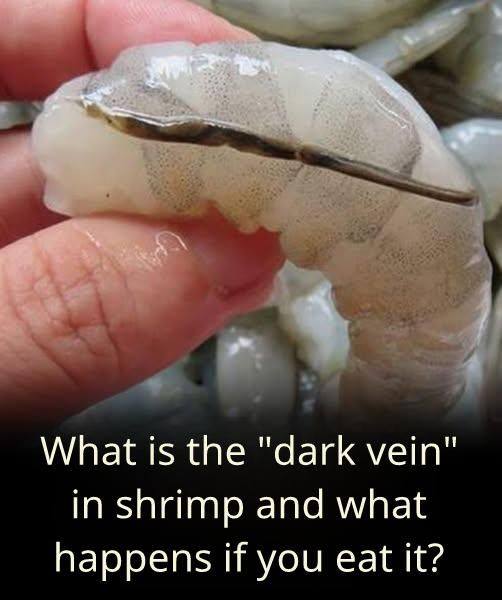
Neotrypaea californiensis is a species of ghost shrimp (also called mud shrimp) found along the Pacific coast of North America. It is well known for living in deep burrows in muddy coastal sediments.
🧬 Scientific Classification
-
Kingdom: Animalia
-
Phylum: Arthropoda
-
Class: Malacostraca
-
Order: Decapoda
-
Family: Callianassidae
-
Genus: Neotrypaea
-
Species: Neotrypaea californiensis
🌊 Habitat
This shrimp lives in intertidal mudflats and estuaries along the Pacific coast from:
-
Canada
-
the United States
-
down to parts of California
It builds complex burrow systems in the mud that can reach up to 1 meter (3 ft) deep.
🔍 Physical Features
-
Pale white or translucent body
-
Length about 7–12 cm (3–5 inches)
-
One larger claw used for digging
-
Small eyes and long antennae
🌱 Diet
Neotrypaea californiensis is a deposit feeder, meaning it eats:
-
organic particles in mud
-
algae
-
tiny microorganisms
🌍 Ecological Importance
This species is considered an ecosystem engineer because its burrowing:
-
aerates sediment
-
recycles nutrients
-
creates habitat for other small organisms
⚠️ Interesting Fact
Large populations of ghost shrimp can affect oyster farming because their burrows can loosen the sediment, making oysters unstable.
If you want, I can also explain:
-
🔬 The life cycle of Neotrypaea californiensis
-
🦐 Differences between ghost shrimp and pistol shrimp
-
🌊 How these shrimp build their burrow systems.
