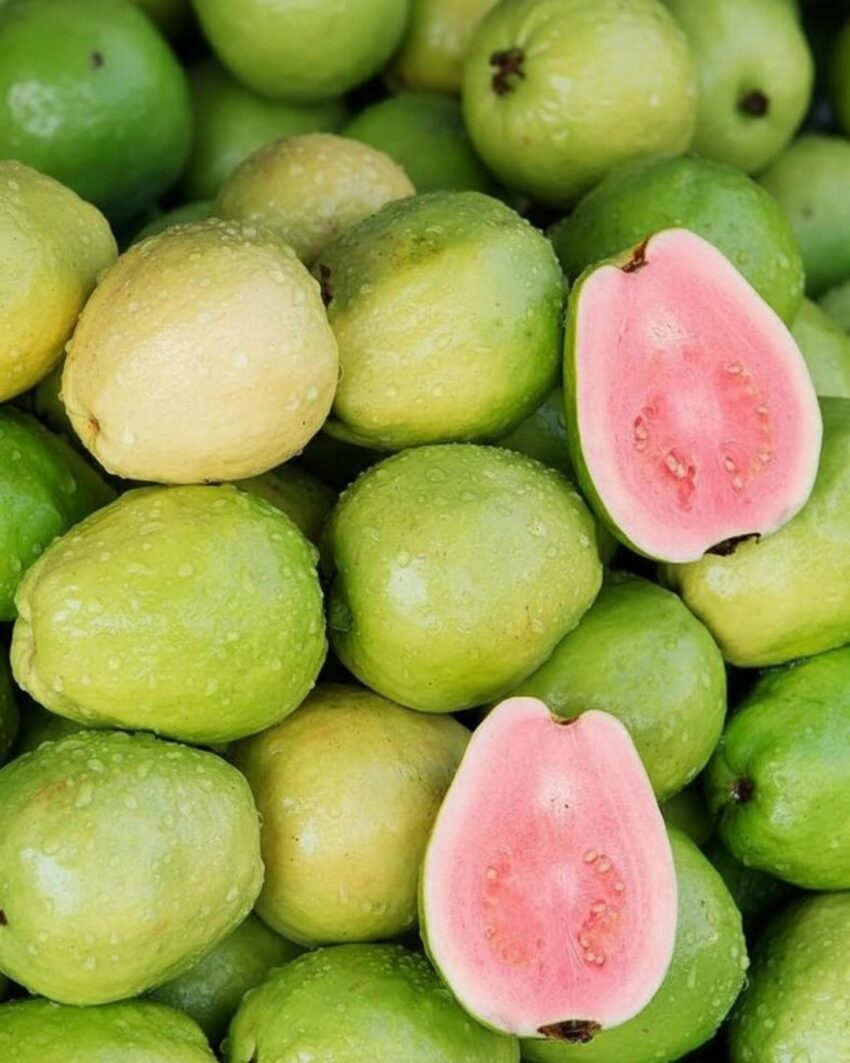
While eating guava regularly is highly beneficial for most people, consuming it in large quantities can lead to specific side effects, particularly related to its high fiber and fructose content.
Potential Side Effects of Regular Consumption
The most common issues associated with eating too much guava include:
- Digestive Discomfort: Guava is exceptionally high in dietary fiber (about 9 grams per cup). While fiber is essential, a sudden or excessive increase can lead to bloating, gas, and abdominal cramps [5, 19].
- Fructose Malabsorption: Guava contains a significant amount of fructose. For individuals who have difficulty absorbing this natural sugar, regular consumption can cause bloating, gas, or diarrhea as the undigested sugar ferments in the large intestine [5, 19].
- Irritable Bowel Syndrome (IBS) Triggers: Because of the combination of high fiber and complex sugars, people with sensitive digestive systems or IBS may find that guava worsens their symptoms [19].
- Bacterial Contamination Risk: Like all fresh produce, raw guava can carry bacteria such as Salmonella or E. coli. If the fruit is not washed thoroughly before regular consumption, it can lead to foodborne illness [5].
- Blood Sugar Management: While guava has a low glycemic index, eating several ripe guavas daily can still contribute to higher blood sugar levels due to their natural sugar content.
Health Benefits of Regular Consumption
Despite these potential side effects, eating guava in moderation (1–2 per day) offers significant health advantages:
| Benefit | Detail |
|---|---|
| Immune Support | One guava contains over double the daily recommended intake of Vitamin C, helping to fight infections and reduce the duration of colds [19]. |
| Heart Health | High levels of potassium and soluble fiber help lower blood pressure and reduce “bad” LDL cholesterol [19]. |
| Blood Sugar Control | Some studies suggest guava leaf extract and the fruit itself can improve blood sugar levels and insulin resistance [19]. |
| Skin Health | The antioxidants and vitamins in guava help protect the skin from oxidative damage and may slow the aging process [19]. |
Who Should Be Cautious?
- Pregnant or Breastfeeding Women: While safe in food amounts, there is insufficient evidence regarding the safety of high-dose guava supplements or extracts during pregnancy [5].
- Surgery Patients: Guava may lower blood sugar. Doctors typically recommend stopping guava consumption at least two weeks before a scheduled surgery to ensure stable blood sugar levels during and after the procedure [5].
Would you like a recipe for a low-sugar guava smoothie or information on how to use guava leaves for health?
