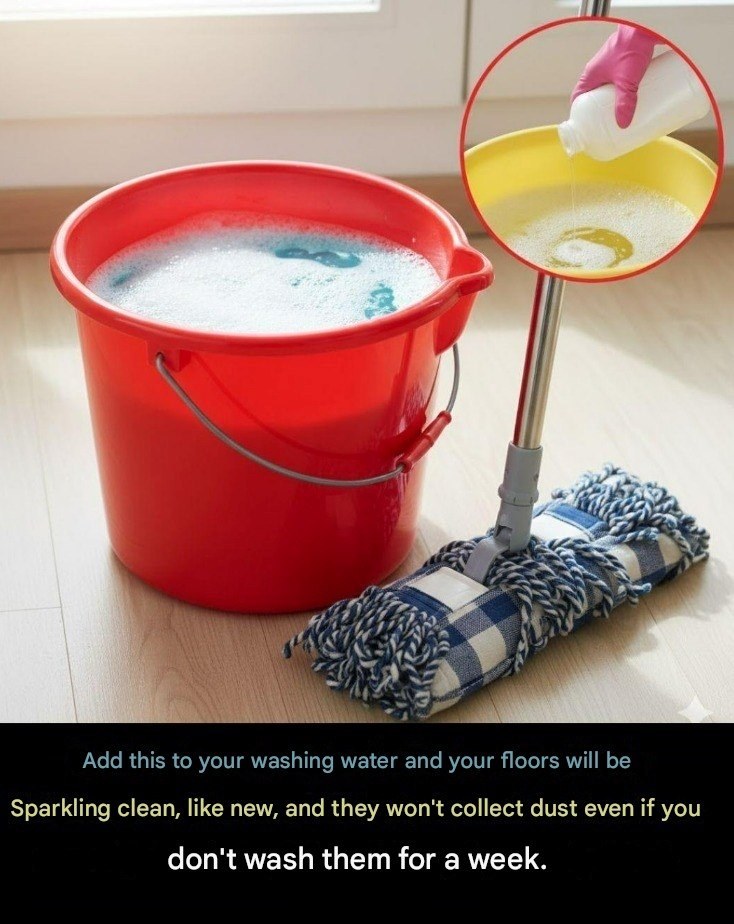
Here’s a detailed guide about mops and buckets, including types, uses, and tips for effective cleaning:
1. Types of Mops
- String Mop: Traditional mop with cotton or synthetic strings; good for large spills and textured floors.
- Flat Mop: Rectangular head, often with microfiber pads; ideal for smooth surfaces and quick cleaning.
- Sponge Mop: Absorbs water well; good for kitchens and bathrooms but may harbor bacteria if not cleaned.
- Steam Mop: Uses heat to sanitize floors; works well for tile and sealed hardwood.
- Spray Mop: Comes with a built-in spray bottle for convenience and light cleaning.
2. Choosing a Bucket
- Standard Bucket: Simple, holds water and cleaning solution.
- Spin or Wringer Bucket: Lets you wring out the mop without touching dirty water.
- Dual-Compartment Bucket: Separates clean and dirty water for more hygienic cleaning.
3. Cleaning Tips
- Use the right cleaning solution: Match it to your floor type (tile, laminate, hardwood).
- Rinse mop frequently: Prevents spreading dirt instead of cleaning.
- Wring thoroughly: Avoid overly wet floors, which can damage wood or laminate.
- Wash mop heads regularly: Machine-wash microfiber or cotton heads to remove germs.
- Store properly: Hang or elevate the mop to dry and prevent mold.
4. Safety Tips
- Avoid leaving buckets filled with water unattended to prevent slips.
- Use gloves if using strong cleaning solutions.
- Don’t mix chemicals like bleach and ammonia—they create toxic fumes.
💡 Pro Tip: For large areas, a microfiber flat mop with a spin bucket is efficient, hygienic, and uses less water.
If you want, I can also make a step-by-step guide to mopping effectively using a mop and bucket, so you clean faster and leave floors streak-free. Do you want me to do that?
