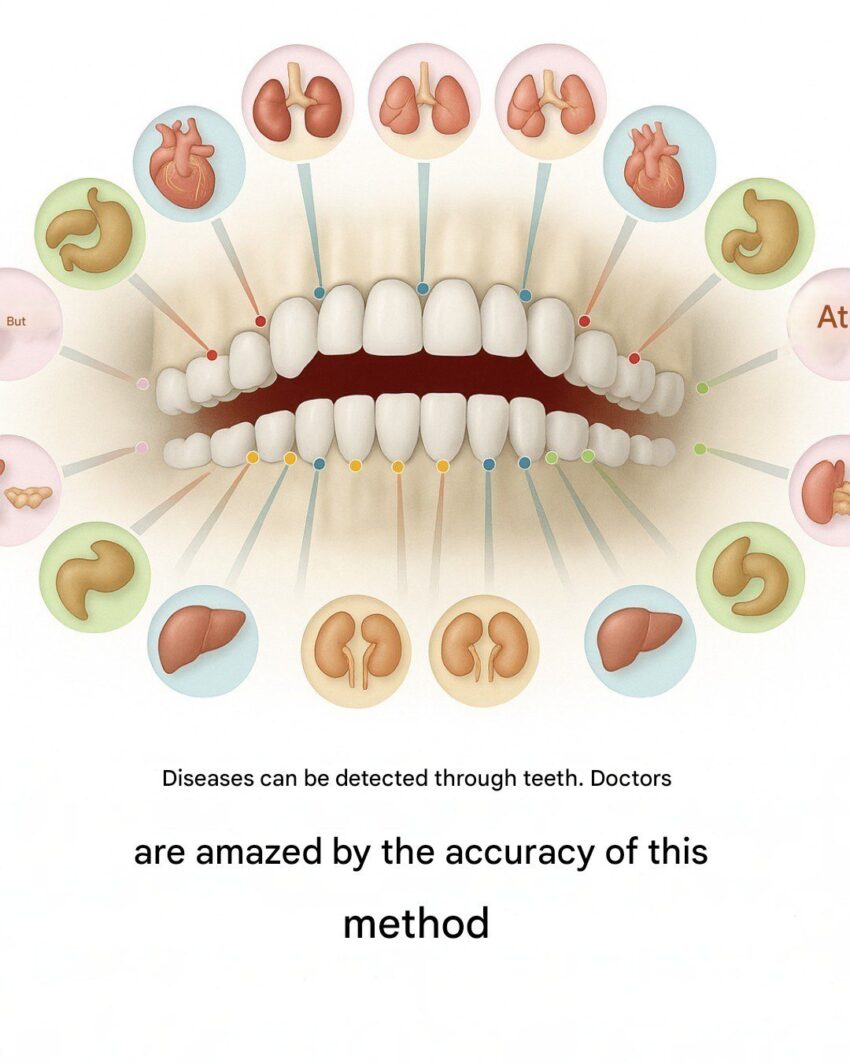
Human teeth and organs are both essential parts of the body, but they serve very different functions. Here’s a clear explanation. 🧠🦷
🦷 Human Teeth
Teeth are hard structures in the mouth used mainly for eating and speaking.
Main Functions
- Biting and chewing food so it can be digested
- Helping speech by shaping certain sounds
- Supporting facial structure
Types of Teeth in Adults
Most adults have 32 teeth:
- Incisors (8) – front teeth used for cutting food
- Canines (4) – pointed teeth used for tearing food
- Premolars (8) – used for crushing and grinding
- Molars (12) – large back teeth for grinding food
Structure of a Tooth
A tooth has several layers:
- Enamel – the hard outer layer
- Dentin – the layer under enamel
- Pulp – soft inner tissue with nerves and blood vessels
- Root – anchors the tooth into the jawbone
🫀 Human Organs
Organs are specialized body structures made of different tissues that perform important life functions.
Major Organs
Some of the main organs in the human body include:
- Brain – controls thoughts, movement, and body functions
- Heart – pumps blood throughout the body
- Lungs – allow breathing and oxygen exchange
- Liver – processes nutrients and detoxifies the body
- Kidneys – filter waste from blood to produce urine
- Stomach – helps digest food
- Intestines – absorb nutrients from food
🧬 Key Difference
- Teeth: Part of the digestive system but not considered major organs.
- Organs: Complex body structures responsible for vital functions like breathing, circulation, and digestion.
✅ Summary:
Teeth help break down food in the mouth, while organs perform the essential internal processes that keep the body alive.
If you want, I can also show you 10 surprising facts about human teeth and organs that most people never learn in school. 🧠🦷
