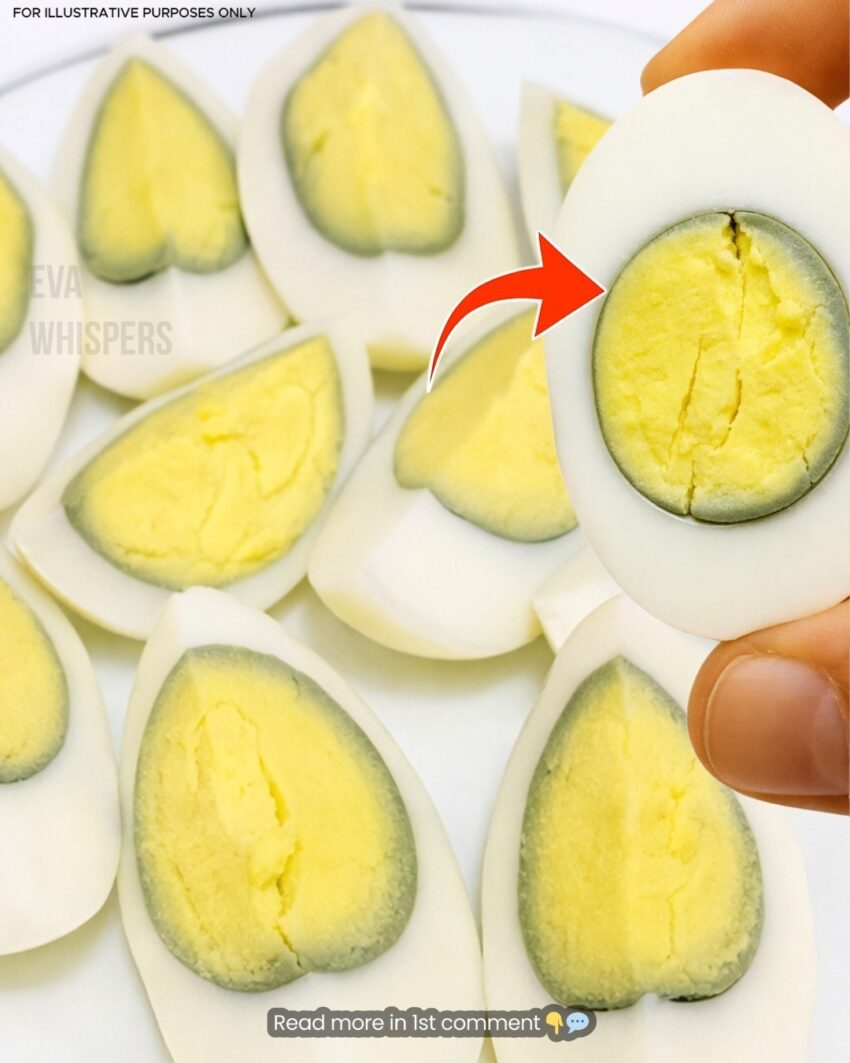
Here’s a comprehensive breakdown of egg white, also known as the albumen of an egg:
1. Basic Description
- Egg white is the clear, viscous liquid that surrounds the yolk inside an egg.
- It accounts for about 58–60% of the egg’s total weight.
- The main function is to protect the yolk and provide nutrition for the developing embryo in fertilized eggs.
- When cooked, egg white turns opaque and firm due to protein denaturation.
2. Composition
Egg white is mostly water but contains several important nutrients:
| Component | Approximate % | Notes |
|---|---|---|
| Water | 87% | Main constituent |
| Protein | 10–11% | High-quality, complete protein |
| Carbohydrates | 0.7% | Mainly glucose |
| Minerals | 0.5% | Sodium, potassium, magnesium, calcium |
| Fat | 0% | Virtually fat-free |
| Calories | ~17 kcal per 100 g | Very low-calorie |
3. Major Proteins
Egg white contains over 40 different proteins, but the major ones are:
- Ovalbumin (~54% of total protein)
- Main storage protein.
- Coagulates when heated, giving firmness.
- Ovotransferrin (~12–13%)
- Binds iron.
- Has antibacterial properties.
- Ovomucoid (~11%)
- A trypsin inhibitor.
- Allergen in some people.
- Lysozyme (~3.5%)
- Antimicrobial enzyme.
- Ovomucin (~1.5–3.5%)
- Provides gel-like texture.
- Helps in foam formation for meringues.
4. Nutritional Benefits
- High in protein: Great for muscle repair and growth.
- Low in calories and fat: Suitable for weight management.
- Cholesterol-free: Unlike yolks, which are high in cholesterol.
- Rich in bioactive compounds: May support immunity (e.g., lysozyme, ovotransferrin).
5. Culinary Uses
- Whipped for meringues – forms stiff peaks when beaten.
- Binding and thickening – used in soufflés, custards, and sauces.
- Clarifying liquids – in consommés.
- Low-fat cooking – egg white omelets, protein shakes.
6. Physical Properties
- Transparent when raw; turns white and opaque when cooked.
- Forms foam when whisked due to protein denaturation and air incorporation.
- pH is slightly alkaline in fresh eggs (~7.6–8.0) and increases as the egg ages.
7. Health Considerations
- Allergy: Egg white proteins can trigger allergic reactions in sensitive individuals.
- Salmonella risk: Raw egg white can carry bacteria; cooking or pasteurization reduces risk.
- Avidin effect: Raw egg whites contain avidin, which binds biotin (vitamin B7) and can cause deficiency if consumed excessively.
If you want, I can also make a detailed diagram showing the structure, proteins, and culinary uses of egg white. It’s really handy for visual learners.
Do you want me to create that?
