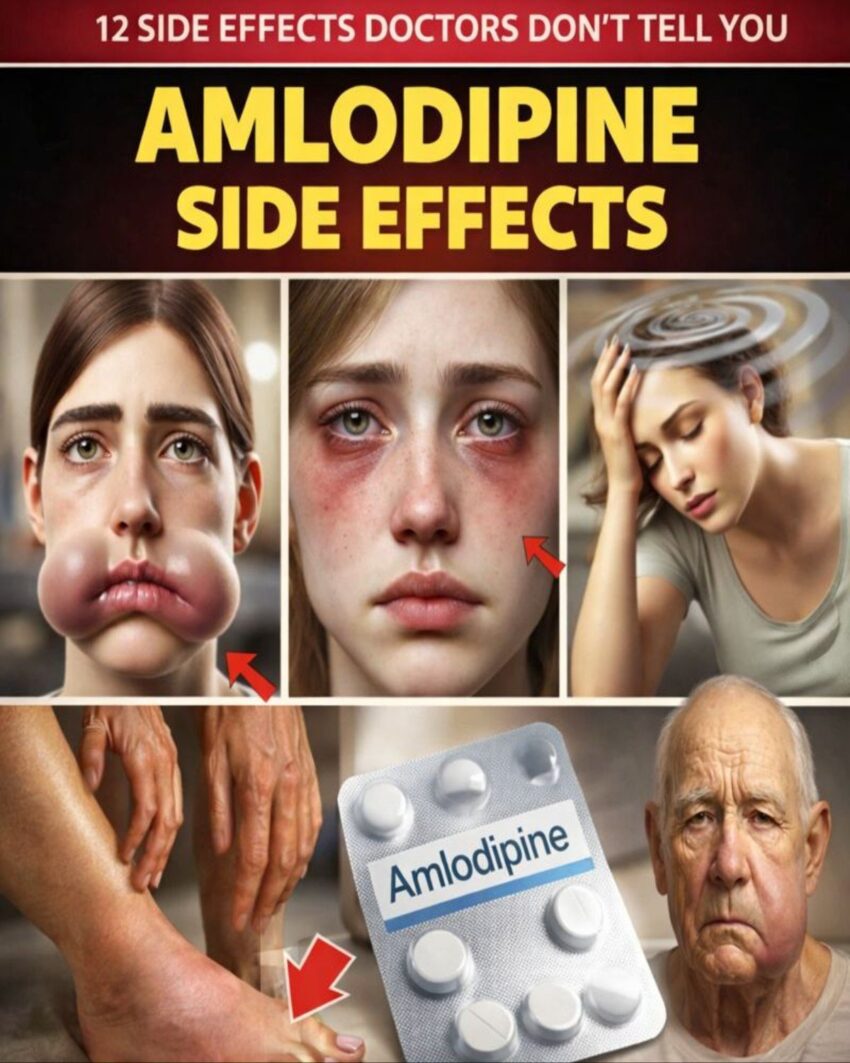
⚠️ Precautions and Warnings for Amlodipine
Amlodipine is a medication commonly used to treat high blood pressure and chest pain from Angina. It belongs to a class of drugs called calcium channel blockers. While it’s generally safe, there are some important precautions.
🩺 1. Low Blood Pressure Risk
Amlodipine can sometimes lower blood pressure too much, especially when first starting it.
Watch for symptoms:
- Dizziness
- Lightheadedness
- Fainting
➡️ Stand up slowly from sitting or lying down.
❤️ 2. Heart Conditions
People with certain heart problems should use caution, especially those with:
- Severe Aortic stenosis
- Worsening Heart failure
Your doctor may need to monitor you more closely.
🦵 3. Swelling (Edema)
One of the most common side effects is swelling in the:
- Feet
- Ankles
- Legs
This happens because the drug relaxes blood vessels.
🍷 4. Alcohol Use
Alcohol can increase dizziness and blood-pressure lowering effects.
➡️ Limit or avoid alcohol while taking this medication.
👩🍼 5. Pregnancy and Breastfeeding
If you are pregnant, planning pregnancy, or breastfeeding, consult your doctor before using amlodipine.
💊 6. Drug Interactions
Some medications can interact with amlodipine, including:
- Other blood pressure medicines
- Certain antibiotics
- Some antifungal drugs
Always tell your doctor about all medications and supplements you take.
⚠️ 7. Liver Problems
People with Liver disease may process the drug more slowly.
Doctors may prescribe a lower dose.
🚨 When to Seek Medical Help
Get medical attention if you experience:
- Severe chest pain
- Rapid or irregular heartbeat
- Severe swelling
- Fainting
✅ Quick tip: Take amlodipine at the same time each day and do not stop it suddenly without medical advice.
If you want, I can also explain:
- Common side effects of amlodipine
- Best time of day to take it
- Foods and medicines to avoid with amlodipine.
