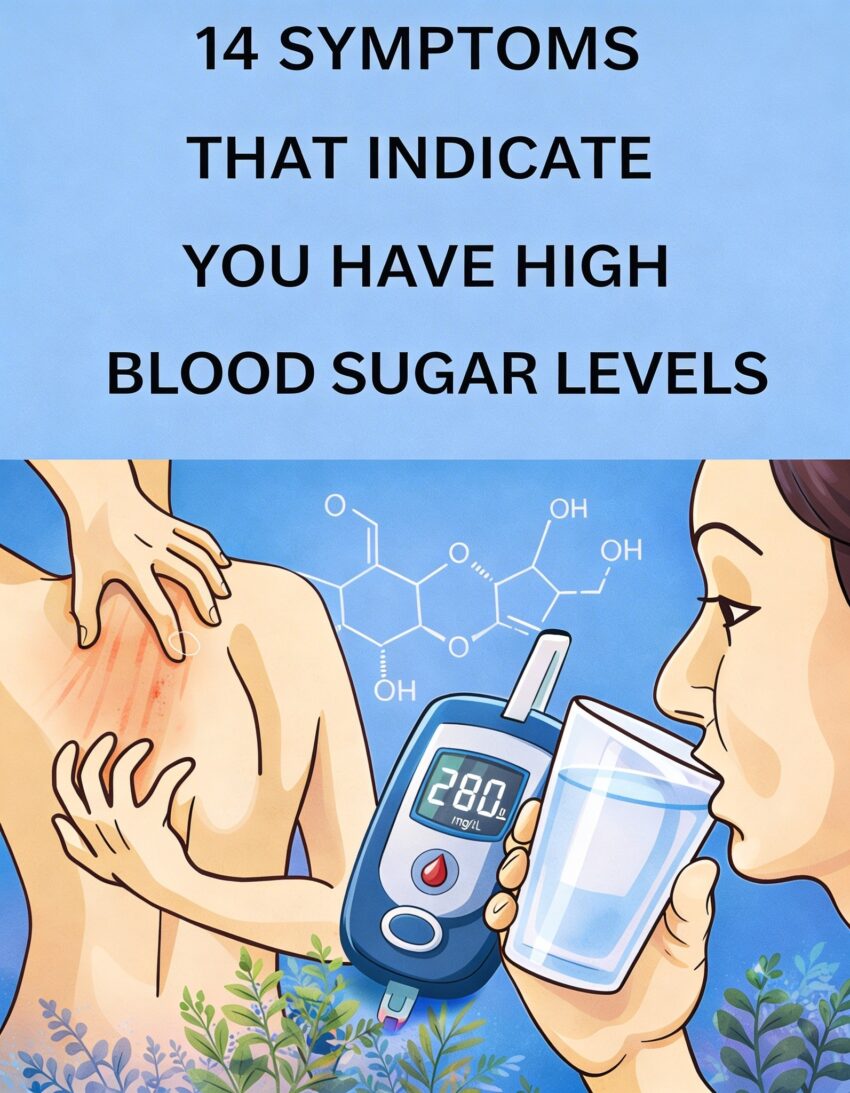
If you’re talking about “blood sugar,” too much usually refers to high blood sugar (hyperglycemia), which can happen in people with diabetes or other metabolic conditions. Here are common signs to watch for:
- Frequent urination (polyuria) – Your kidneys try to get rid of extra sugar through urine.
- Excessive thirst (polydipsia) – Caused by fluid loss from frequent urination.
- Increased hunger (polyphagia) – Despite eating, your body’s cells aren’t getting enough glucose.
- Fatigue – High blood sugar can make your body feel sluggish.
- Blurred vision – Extra glucose can affect the lenses in your eyes.
- Slow-healing wounds or infections – High sugar impairs circulation and immune response.
- Headaches – Can occur from dehydration or blood sugar fluctuations.
- Unexplained weight loss – Common in type 1 diabetes or severe hyperglycemia.
- Dry mouth and itchy skin – From dehydration and skin changes.
⚠️ When to seek medical help:
If you experience extremely high blood sugar (e.g., above 300 mg/dL or 16.7 mmol/L), nausea, vomiting, fruity breath, confusion, or rapid breathing, get medical attention immediately, as these can be signs of diabetic ketoacidosis (DKA), which is an emergency.
If you want, I can also explain why high blood sugar happens and ways to bring it down safely. Do you want me to go over that?
