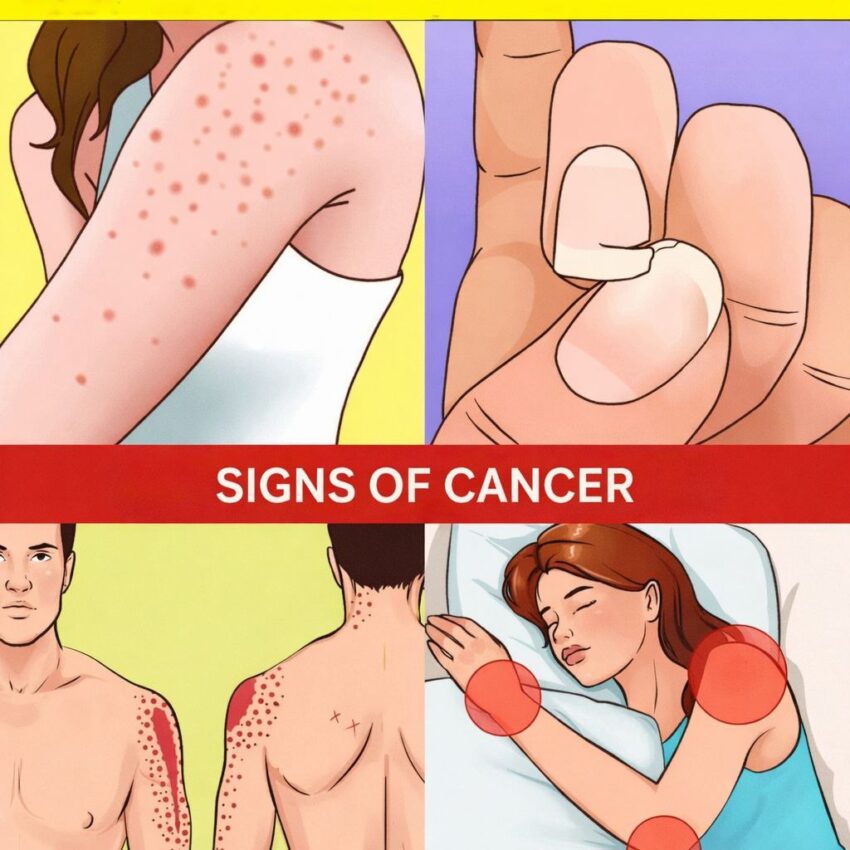
Here’s a clear and careful overview of 12 early warning signs that may indicate your body is developing cancer cells. Keep in mind: these signs are not definitive proof of cancer, but they warrant medical attention if persistent or unexplained.
1. Unexplained Weight Loss
- Losing 10 pounds (4.5 kg) or more without trying can sometimes indicate cancers such as stomach, pancreatic, esophageal, or lung cancer.
2. Persistent Fatigue
- Feeling constantly tired despite rest can be a sign of blood cancers (like leukemia) or cancers that affect metabolism.
3. Unusual Lumps or Swellings
- Lumps in the breast, testicles, neck, or underarm may signal early tumors. Any new lump should be evaluated.
4. Changes in Skin
- Darkening, yellowing, or reddening of the skin, sores that don’t heal, or changes in moles may indicate skin cancers like melanoma.
5. Unexplained Pain
- Persistent pain in one area (bone, abdomen, or head) can sometimes be an early cancer signal, especially if it doesn’t respond to usual treatment.
6. Changes in Bowel or Bladder Habits
- Persistent constipation, diarrhea, blood in stool, or frequent urination and blood in urine can indicate colon, bladder, or kidney cancers.
7. Persistent Cough or Hoarseness
- A chronic cough, coughing up blood, or lasting hoarseness may point to lung or throat cancers.
8. Difficulty Swallowing
- Trouble swallowing or feeling food stuck can be linked to esophageal or throat cancers.
9. Unexplained Fever or Infections
- Recurring fevers or infections may be a sign of cancers affecting the immune system, such as leukemia or lymphoma.
10. Unusual Bleeding or Discharge
- Vaginal bleeding between periods, nipple discharge, or rectal bleeding can signal cervical, breast, or colon cancers.
11. Persistent Indigestion or Stomach Discomfort
- Long-term bloating, heartburn, or abdominal pain may be early signs of stomach, pancreatic, or esophageal cancer.
12. Swollen Lymph Nodes
- Enlarged, painless lymph nodes in the neck, armpits, or groin that persist for weeks could indicate lymphoma or other cancers.
Key Takeaways
- One sign alone doesn’t mean cancer, but multiple or persistent symptoms should prompt a medical checkup.
- Early detection improves treatment success significantly.
- Maintaining regular screenings and checkups is critical for people over 40 or with a family history of cancer.
If you want, I can make a concise infographic listing these 12 early warning signs with which cancers they may indicate—it’s easy to reference quickly.
Do you want me to create that?
