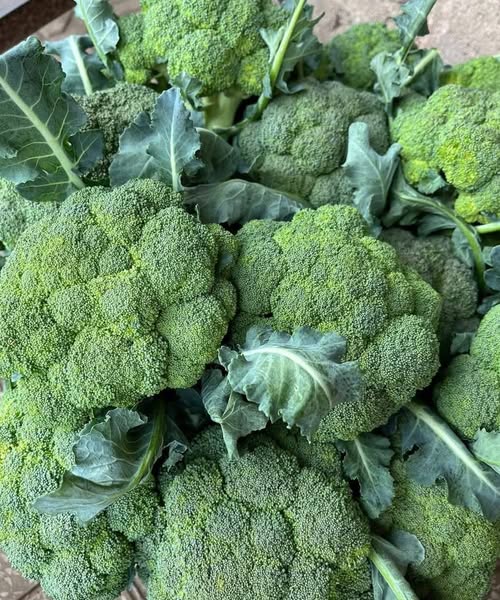
Here’s an evidence‑based explanation of what doctors and nutrition experts say broccoli can cause, especially if eaten in high amounts, raw a lot, or by certain individuals — not sensational “it will kill you,” but real possible effects to be aware of: (Healthshots)
🥦 1. Gas, Bloating & Digestive Discomfort
Broccoli is high in fiber and contains a sugar called raffinose that human enzymes can’t digest. Digestive bacteria ferment it in the gut, producing gas, bloating, cramps, and sometimes diarrhea, especially in people with sensitive digestion or IBS. (Healthshots)
This isn’t a “dangerous disease,” but it can be uncomfortable, particularly if you suddenly eat a large amount. (The Times of India)
🦋 2. Interference with Thyroid Function (Goitrogens)
Broccoli and other cruciferous vegetables contain natural compounds called goitrogens. In very large amounts, especially raw, these can interfere with the thyroid gland’s ability to absorb iodine, potentially worsening hypothyroidism in people with pre‑existing thyroid disease or iodine deficiency. (The Times of India)
Doctors usually say normal servings are safe, but very large raw amounts (e.g., daily smoothies with lots of broccoli) could be an issue for those with thyroid disorders. (NCPIC)
💊 3. Interaction with Blood‑Thinning Medications
Broccoli is very rich in vitamin K, which helps blood clotting. If you’re on medications like warfarin (Coumadin) or other anticoagulants, big changes in broccoli intake can alter how these drugs work, affecting clotting risk. (MedicineNet)
Doctors often recommend keeping vitamin K intake fairly consistent from day to day so your medication dose can be properly adjusted. (The Times of India)
⚠️ 4. Allergies (Rare but Possible)
Although uncommon, some people have allergic reactions to broccoli, especially those with pollen‑food allergy syndrome. Symptoms can include itching, swelling, hives, or even breathing difficulty in rare cases. (Livestrong)
🍽️ 5. Mineral Absorption Effects
Broccoli contains compounds like oxalates and phytates that can bind minerals (such as calcium or iron) and slightly reduce absorption, especially if eaten in very large quantities over long periods. (The Times of India)
🍏 What Most Doctors Agree About Broccoli
- Broccoli is generally healthy and nutritious — high in fiber, vitamins, and antioxidants.
- Eating it in moderation as part of a balanced diet is recommended.
- Most of the above concerns arise only in specific medical conditions (thyroid issues, blood thinners, IBS) or with very large daily intake, not typical servings. (The Times of India)
🧠 Bottom Line
Doctors and nutritionists don’t say broccoli causes serious illness in most people — instead, it can:
✔ Cause gas and bloating if eaten in excess. (Healthshots)
✔ Affect thyroid function in susceptible individuals when eaten raw and in large quantities. (The Times of India)
✔ Interact with blood‑thinning medication because of high vitamin K content. (MedicineNet)
✔ Rarely, trigger allergic reactions. (Livestrong)
If you want, I can explain how to prepare broccoli (steamed, cooked, etc.) to reduce digestive issues and maximize its benefits — just let me know!
