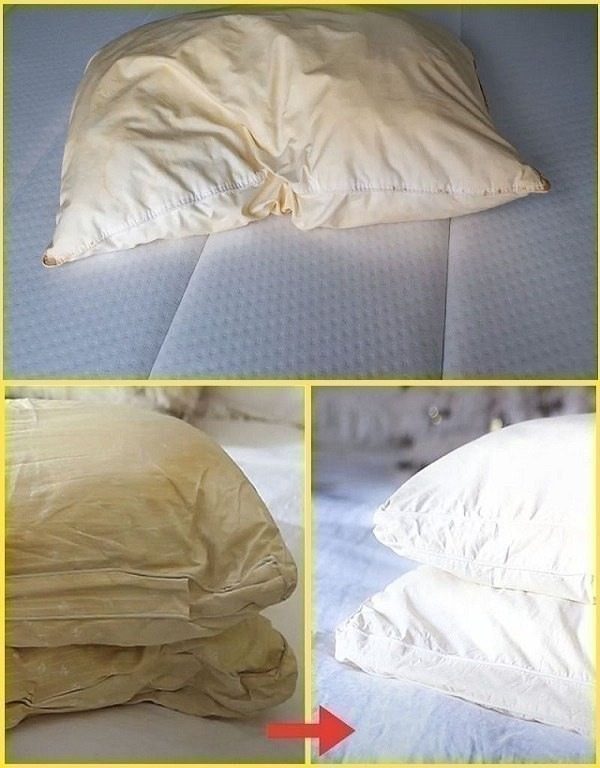
Dirty bed pillows aren’t just unpleasant — they can actually affect health, sleep quality, and hygiene. Here’s a detailed breakdown:
🛏️ Why Dirty Pillows Matter
- Dust Mites & Allergens
- Pillow stuffing (foam, feathers, or synthetic fibers) attracts dust mites, which feed on dead skin cells.
- Dust mites and their droppings are a common trigger for allergic reactions, asthma, and sinus issues.
- Bacteria & Fungi
- Pillows absorb sweat, saliva, and skin oils, creating a damp environment for bacteria and fungi.
- This can lead to acne, skin irritation, or respiratory infections in sensitive individuals.
- Odors
- Over time, pillows can develop musty or sour smells due to moisture and microbial growth.
- Reduced Support & Sleep Quality
- Lumps, sagging, and compacted filling can cause neck pain, poor spinal alignment, and restless sleep.
🧼 How to Keep Pillows Clean
- Regular Washing
- Machine-washable pillows: Wash every 3–6 months in warm water with mild detergent.
- Add an extra rinse cycle to remove all detergent.
- Dry thoroughly — consider tumble drying with dryer balls to fluff and prevent clumping.
- Protective Pillow Covers
- Use zippered, washable pillow protectors to block dust mites and absorb sweat.
- Daily Maintenance
- Fluff pillows daily to maintain shape and reduce moisture buildup.
- Air them in sunlight occasionally — UV light can help reduce bacteria.
- Replacement
- Even with good care, pillows should be replaced every 1–2 years (polyester or synthetic) or 2–3 years (down/feather).
- Signs you need a new pillow: persistent odors, sagging, or allergies flaring up.
💡 Bottom line: Dirty pillows can contribute to allergies, skin issues, and poor sleep quality. Regular washing, protective covers, and timely replacement are key for hygiene and health.
I can also make a step-by-step guide to deep-clean pillows naturally without harsh chemicals if you want. Do you want me to do that?
