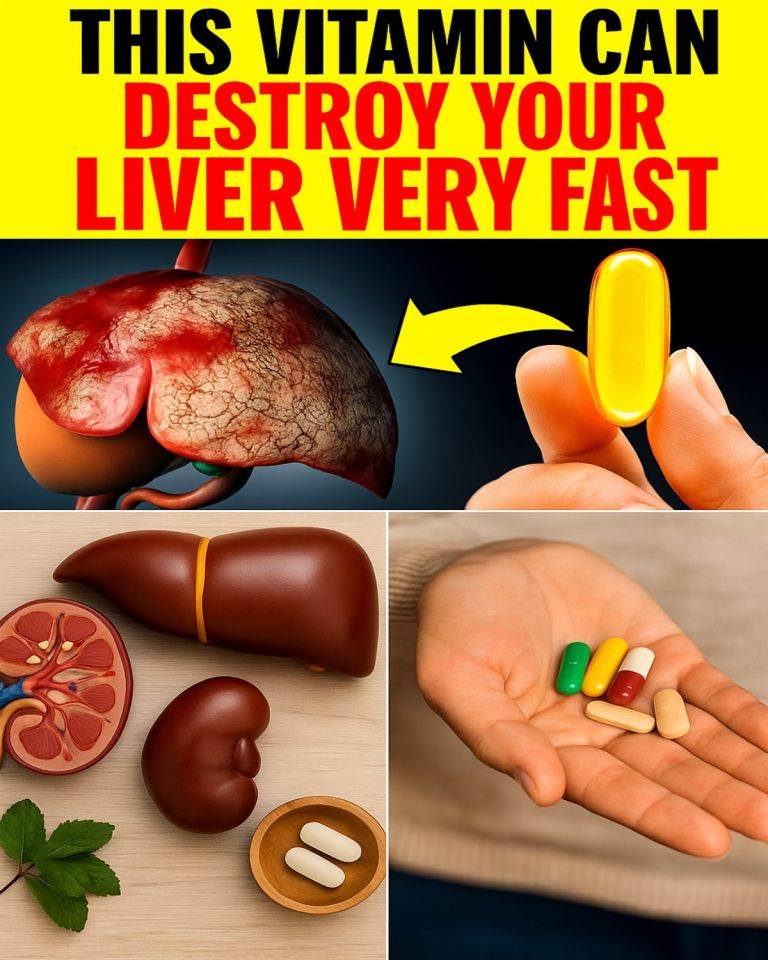
Here’s a fact‑checked, detailed guide to vitamins and supplements that can be harmful or even deadly when misused — especially at very high doses or without medical supervision. Supplements aren’t harmless just because they’re “natural,” and some have well‑documented toxic effects at excessive intake. (National Rehab Hotline)
⚠️ 1. Vitamin A (Fat‑Soluble)
Why it can be dangerous:
Too much vitamin A, especially in supplement form, can build up in the body and cause hypervitaminosis A, which affects the liver and central nervous system. (Healthline)
Potential severe effects
- Nausea, headaches, dizziness
- Liver damage
- Increased pressure in the skull
- Birth defects if taken in excess during pregnancy
- In rare cases, coma or death with very large doses (Healthline)
⚠️ 2. Vitamin D (Fat‑Soluble)
Why it can be dangerous:
Vitamin D overload is one of the most commonly cited supplement toxicity issues because it raises calcium levels in the blood (hypercalcemia). (Healthline)
Potential serious effects
- Calcium buildup → kidney stones and kidney damage
- Heart rhythm problems
- Confusion, weakness, vomiting
- Risk of organ damage in extreme cases (Healthline)
A reported case in England even linked excessive D supplement use to a fatal outcome in an older adult. (AARP)
⚠️ 3. Vitamin E (Fat‑Soluble)
Why it can be dangerous:
Although it’s an antioxidant, high doses of supplemental vitamin E can disrupt blood clotting and increase bleeding risk. (Healthline)
Potential dangerous effects
- Interferes with vitamin K and platelet function
- Increased risk of internal bleeding
- Higher risk of hemorrhagic stroke in susceptible people (Verywell Health)
⚠️ 4. Iron
Why it can be dangerous:
Iron is essential, but excess iron can be toxic* — especially for children who accidentally ingest adult supplements. (Healthy Mondial)
Serious risks
- Severe vomiting and diarrhea
- Organ damage (heart, liver, lungs)
- Potentially fatal iron poisoning, particularly in children (The Sun)
⚠️ 5. Vitamin B6 (Pyridoxine)
Why it can be dangerous:
High doses of vitamin B6 over time, especially above what your body needs from food, can cause nerve damage and neurological symptoms. (Healthline)
Possible effects
- Numbness or tingling in hands and feet
- Muscle weakness
- Loss of control over movements (coordination issues) (Cleveland Clinic)
⚠️ 6. Niacin (Vitamin B3)
Why it can be dangerous:
Very large doses of niacin can cause liver damage and serious metabolic issues. (Healthline)
Possible effects
- Flushing, itching
- High blood pressure
- Liver toxicity at very high intakes (Healthline)
⚠️ 7. Vitamin C (Ascorbic Acid)
Why it can be dangerous:
Vitamin C is water‑soluble and generally safer — but mega‑doses can still cause uncomfortable and sometimes serious effects. (Healthline)
Possible effects
- Diarrhea and upset stomach
- Increased risk of kidney stones in susceptible people
- Nausea and cramping at very high doses (Healthline)
⚠️ 8. Zinc
Why it can be dangerous:
Zinc supplements are common, but excessive intake can interfere with other minerals and immune function. (The Times of India)
Potential problems
- Nausea, vomiting, stomach cramps
- Reduced immune response
- Imbalance of copper and other minerals (The Times of India)
⚠️ 9. Herbal & “Natural” Extracts
Supplements like kava, comfrey, and high‑dose green tea extract have been linked to liver toxicity and other serious side effects when taken in large amounts — sometimes even with normal dosing or poor quality control. (This risk isn’t limited to just vitamins, but many herbal supplements fall under the same caution categories as high‑dose vitamins used without oversight.) (Healthy Mondial)
🧠 Why This Happens
- Fat‑soluble vitamins (A, D, E, K) are stored in body tissues and can accumulate to toxic levels. (Healthline)
- Water‑soluble vitamins (like C and B’s) are excreted, but very high doses can still overwhelm the system and cause organ stress. (Healthline)
- Some supplements are poorly regulated online, and products may contain much higher doses than labeled, increasing overdose risk. (The Sun)
📌 IMPORTANT SAFETY TIPS
- Always follow recommended daily limits and don’t assume more is better. (National Rehab Hotline)
- Supplements can interact with medications (e.g., blood thinners and vitamin E). (Healthline)
- Consult a doctor before taking high‑dose or multiple supplements.
- Keep vitamins out of reach of children — even small amounts can be dangerous. (The Sun)
If you want, I can also explain how to tell safe supplement doses vs. dangerous ones or give food‑based alternatives that are lower risk. Just let me know!
