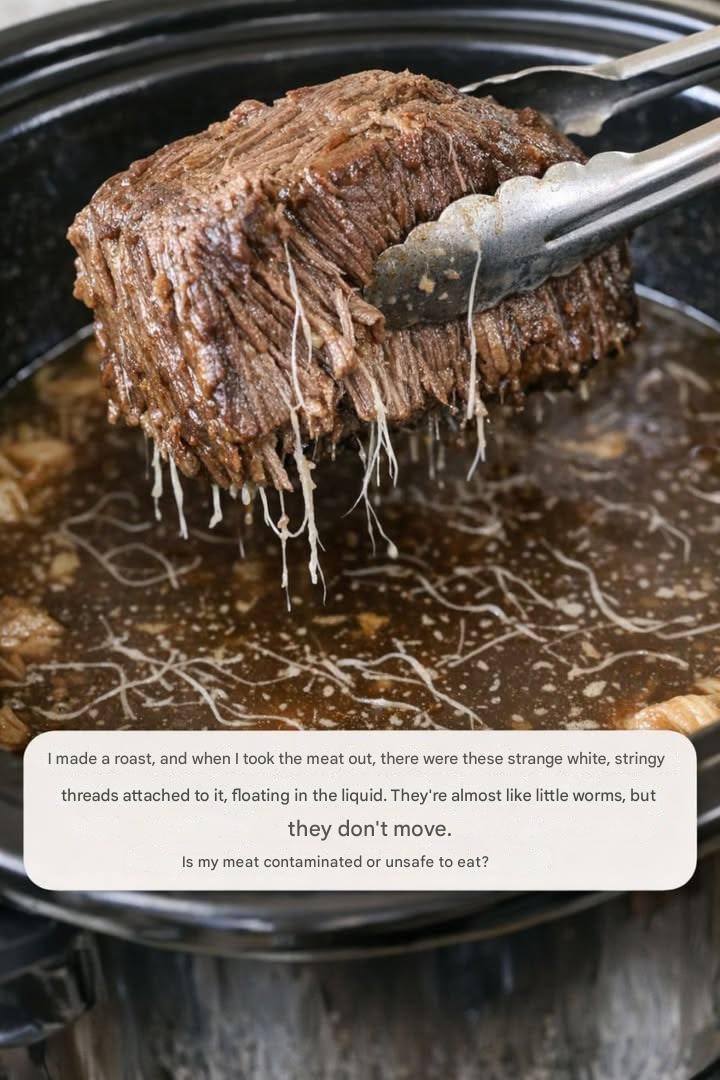
Pot roast can be a healthy, fat-loss-friendly meal if prepared carefully. It’s usually made with beef, vegetables, and slow-cooked liquids, which makes it hearty, protein-rich, and nutrient-dense.
Nutrition (per 100 g cooked, lean beef pot roast with vegetables)
- Calories: ~180–220 kcal
- Protein: ~25–28 g
- Fat: ~8–12 g (depends on cut and trimming)
- Carbs: ~5–10 g (from vegetables like carrots, onions, potatoes)
- Fiber & micronutrients: Rich in potassium, iron, B vitamins, vitamin A (from vegetables)
Using lean beef cuts (like chuck roast trimmed of fat) and mostly vegetables keeps calories moderate and protein high—ideal for fat-burning meals.
Why Pot Roast Can Be Fat-Friendly
- High protein – preserves muscle during fat loss.
- Vegetable-rich – adds fiber for fullness with few calories.
- Slow-cooked – tenderizes meat without needing excessive fat.
Tips for a Fat-Loss Friendly Pot Roast
- Trim visible fat from the beef before cooking.
- Limit added oils or butter; use a small amount for searing if desired.
- Load up on non-starchy vegetables (carrots, celery, onions, mushrooms) instead of potatoes for lower carbs.
- Use broth or tomato-based sauces instead of cream or gravy heavy in fat.
- Portion protein carefully: 4–6 oz of beef per serving plus plenty of veggies.
Bottom Line
- Pot roast can be a nutrient-rich, high-protein, and satisfying meal.
- With lean meat, minimal added fat, and plenty of vegetables, it fits well into a fat-burning diet.
If you want, I can give a “lean, fat-loss friendly slow cooker pot roast recipe” that keeps it tender and flavorful but cuts excess calories and fat.
Do you want me to do that?
