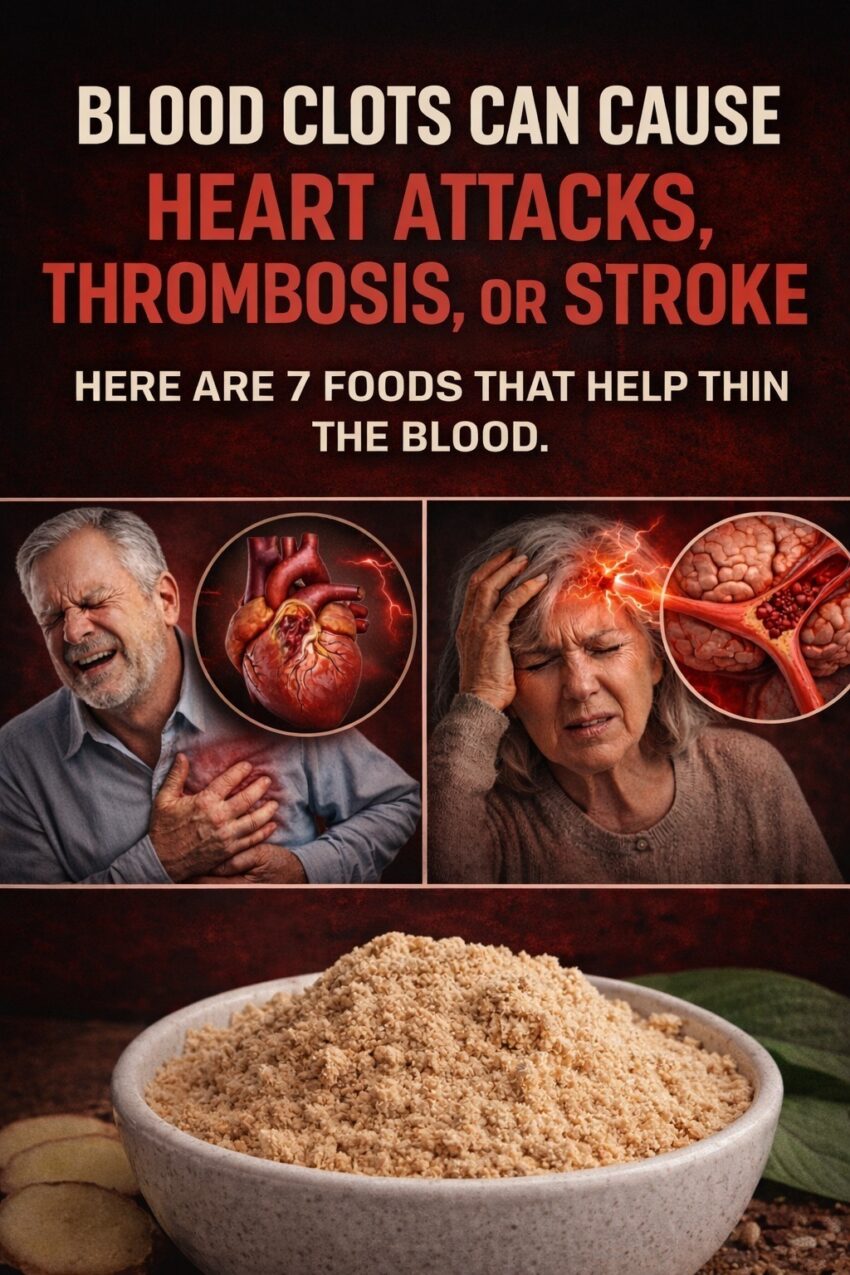
Yes — blood clots can cause heart attacks, and they are actually the most common cause of heart attacks.
Here’s how it works:
🫀 How a Blood Clot Causes a Heart Attack
Most heart attacks happen because of coronary artery disease. Over time, fatty deposits (plaque) build up in the arteries that supply blood to the heart.
- A plaque inside a coronary artery ruptures (breaks open).
- The body sees this as an injury and forms a blood clot at that spot.
- The clot can partially or completely block blood flow to part of the heart muscle.
- Without oxygen-rich blood, heart tissue begins to die within minutes.
This is called a myocardial infarction (heart attack).
⚠️ Warning Signs of a Heart Attack
- Chest pain or pressure (may feel like squeezing or heaviness)
- Pain spreading to arm, jaw, neck, or back
- Shortness of breath
- Cold sweat
- Nausea
- Lightheadedness
Women, older adults, and people with diabetes may have atypical symptoms like fatigue, indigestion, or mild discomfort.
🧠 Important Distinction
- A clot in the heart arteries → Heart attack
- A clot in the brain arteries → Stroke
- A clot in the leg (deep vein thrombosis) that travels to lungs → Pulmonary embolism
All are medical emergencies.
🛡️ Prevention
- Control blood pressure and cholesterol
- Avoid smoking
- Maintain healthy weight
- Exercise regularly
- Manage diabetes
- Take prescribed medications (like blood thinners or statins) as directed
🚨 If you suspect a heart attack, call emergency services immediately. Quick treatment can save heart muscle and lives.
If you’d like, I can also explain early warning signs that may appear days or weeks before a heart attack, which many people ignore.
