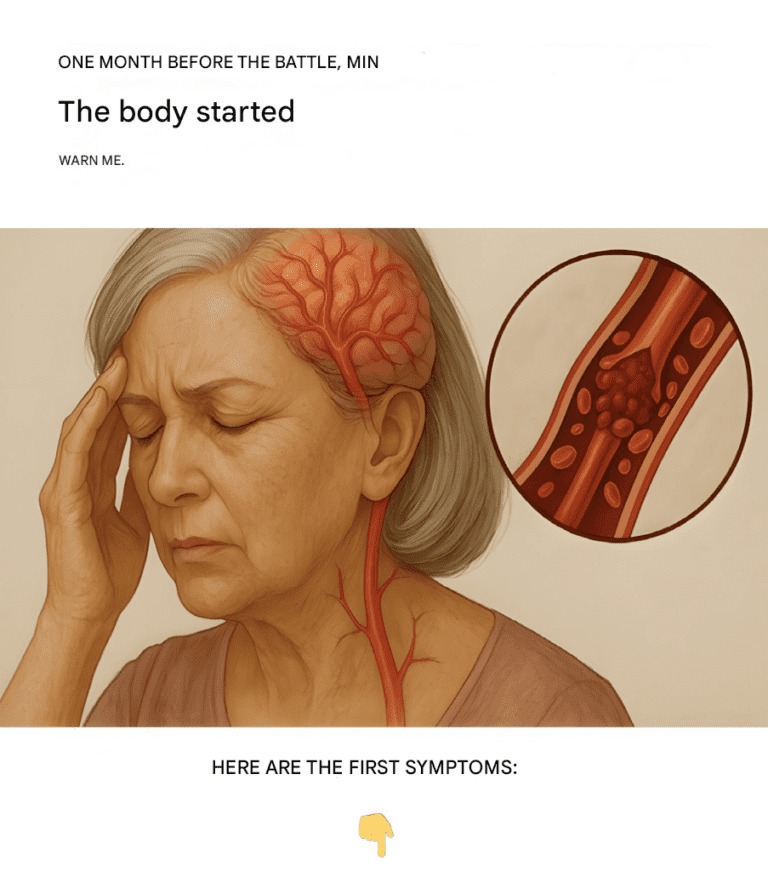
Here’s a clear, detailed guide to warning signs of stroke and practical steps for prevention:
Warning Signs of Stroke
Recognizing these early can save lives. Use the FAST method to remember key symptoms:
- F – Face Drooping
- One side of the face may droop or feel numb.
- Ask the person to smile; uneven smile is a warning.
- A – Arm Weakness
- Sudden weakness or numbness in one arm or leg.
- Ask them to raise both arms; one may drift downward.
- S – Speech Difficulty
- Slurred speech, trouble finding words, or inability to understand speech.
- T – Time to Call Emergency Services
- Immediate medical help is critical—call 911 or local emergency services.
Other Early Warning Signs
- Sudden severe headache with no known cause
- Sudden dizziness, loss of balance, or coordination problems
- Sudden vision changes (blurred or double vision)
- Confusion or trouble understanding simple statements
- Numbness or weakness, especially on one side of the body
Important: Some warning signs may appear days or weeks before a full stroke (often called a TIA or “mini-stroke”). Don’t ignore even brief symptoms.
Prevention of Stroke
1. Control Blood Pressure
- High blood pressure is the leading cause of stroke.
- Monitor regularly and follow your doctor’s advice on diet, exercise, and medications.
2. Maintain Healthy Cholesterol Levels
- Eat a heart-healthy diet (fruits, vegetables, whole grains, lean protein).
- Avoid trans fats and limit saturated fats.
3. Manage Diabetes
- Keep blood sugar within target range to prevent vascular damage.
4. Stay Active
- At least 30 minutes of moderate exercise most days reduces stroke risk.
5. Maintain Healthy Weight
- Obesity increases risk for high blood pressure, diabetes, and stroke.
6. Avoid Smoking and Limit Alcohol
- Smoking damages blood vessels and increases clot risk.
- Excess alcohol raises blood pressure and stroke risk.
7. Eat a Balanced Diet
- Focus on fruits, vegetables, whole grains, lean proteins, and healthy fats.
- Reduce salt to control blood pressure.
8. Manage Stress
- Chronic stress can raise blood pressure and trigger unhealthy habits.
9. Regular Check-ups
- Screen for heart disease, atrial fibrillation, and other conditions that increase stroke risk.
Key Takeaway:
Recognizing warning signs quickly and adopting a heart-healthy lifestyle are your best defenses against stroke. A simple habit like using FAST when symptoms appear can literally save a life.
I can also create a quick 1-minute daily self-check routine to spot stroke warning signs early—super practical for at-risk individuals. Do you want me to outline that?
