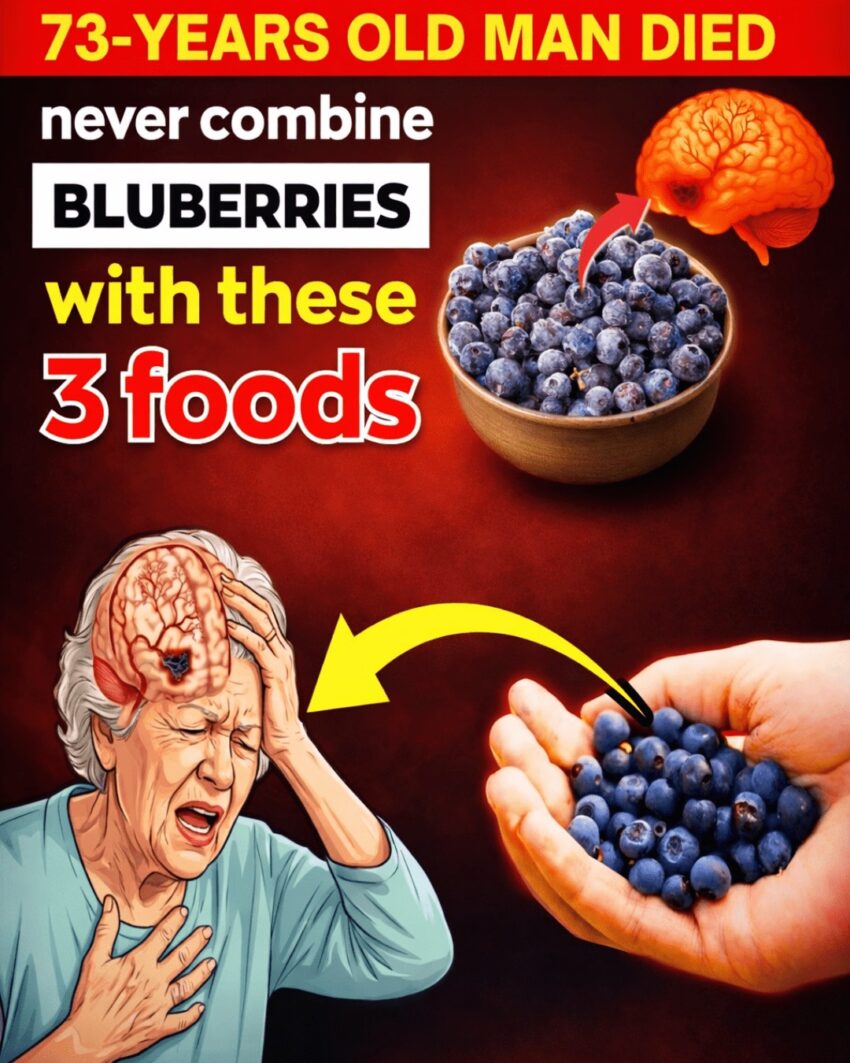
Here’s a clear, evidence‑based answer about the claim “Seniors should never eat blueberries with certain foods” — especially things you might see in health‑tips articles or videos:
🫐 Blueberries — generally healthy
Blueberries are widely recognized as a nutritious food, rich in antioxidants (like anthocyanins), fiber, and vitamins that may support heart health, brain function, and aging well. Studies link regular blueberry consumption with benefits like improved memory and reduced inflammation. (National Council on Aging)
🔎 What the “Don’t Combine” Claims Say
Some wellness articles assert that, for seniors, eating blueberries with certain foods (like dairy, high‑iron foods, or sugary processed foods) will “cancel out benefits” or cause harm. (Healthy & Savoury)
Examples they mention (but with limited scientific backing):
- Dairy (milk/yogurt): Claims say dairy proteins bind blueberry antioxidants and reduce absorption. (Healthy & Savoury)
- Iron‑rich foods (like red meat/spinach): Articles claim polyphenols in blueberries interfere with iron absorption. (Healthy & Savoury)
- High‑sugar processed foods: Suggest sugar spikes negate blueberry benefits. (Healthy & Savoury)
Similar sources expand this list to include foods like pineapple or cucumber based on claims about acid or enzymes interfering with vitamin C. (Dining and Cooking)
🧠 Scientific Reality vs. Sensational Headlines
✅ Blueberries + Dairy
There is limited evidence that certain milk proteins might slightly alter the timing or amount of antioxidant absorption, but this is not strong enough to say you should never eat blueberries with dairy. Many studies show that overall diet quality and variety matter far more than specific food pairings. Mixing blueberries with yogurt or cereal still offers nutrients like fiber and protein. (Healthy & Savoury)
🩸 Blueberries & Iron Absorption
Blueberries contain compounds that can interact with iron absorption — like many plant foods — but this effect is more relevant for people with iron deficiency or special medical conditions (not just age alone). Pairing them with vitamin C foods (like citrus) actually helps non‑heme iron absorption. (Healthy & Savoury)
🍯 Sugar Concerns
High‑sugar processed foods are not healthy in general, but there’s no evidence that eating them with blueberries creates a “toxic” reaction — it’s just that sugar reduces overall diet quality.
🧓 For Seniors Specifically
Some real considerations for seniors include:
⚠️ Digestive Sensitivity
- Blueberries have fiber, so very large portions may cause gas or bloating, especially if the gut is sensitive. (Wis)
⚠️ Medication Interactions
- Blueberries contain vitamin K, which matters for people on blood thinners (so sudden changes in consumption should be discussed with a doctor). (Wis)
⚠️ Pesticide or Mold Risk
- Because they’re often eaten raw, unwashed berries can sometimes have residue or spoilage — worth rinsing well. (WellFizz)
These are practical senior‑relevant issues — not food pairing “forbidden combos.”
🥣 Bottom Line — Balanced Advice
Blueberries are healthy for most people, including seniors. There’s no strong scientific reason you must avoid eating blueberries with dairy, meat, or other foods. Headlines claiming dangerous combos are often based on oversimplified or exaggerated interpretations of limited research.
✔️ Enjoy blueberries with yogurt, oatmeal, salads, or smoothies if you like them — they still contribute valuable nutrients overall.
✔️ Focus on overall diet quality (fruits, vegetables, whole grains, lean proteins) rather than strict avoidance of specific combinations.
📌 When to Be Cautious
Consider talking with a healthcare provider if:
- You’re on blood thinners and changing vitamin K intake.
- You have iron deficiency concerns.
- You notice digestive issues after high‑fiber meals like berries.
If you want, I can share healthy blueberry snack ideas specifically tailored for seniors, including options that help digestion or boost nutrient absorption. Want some recipes? 🍇
