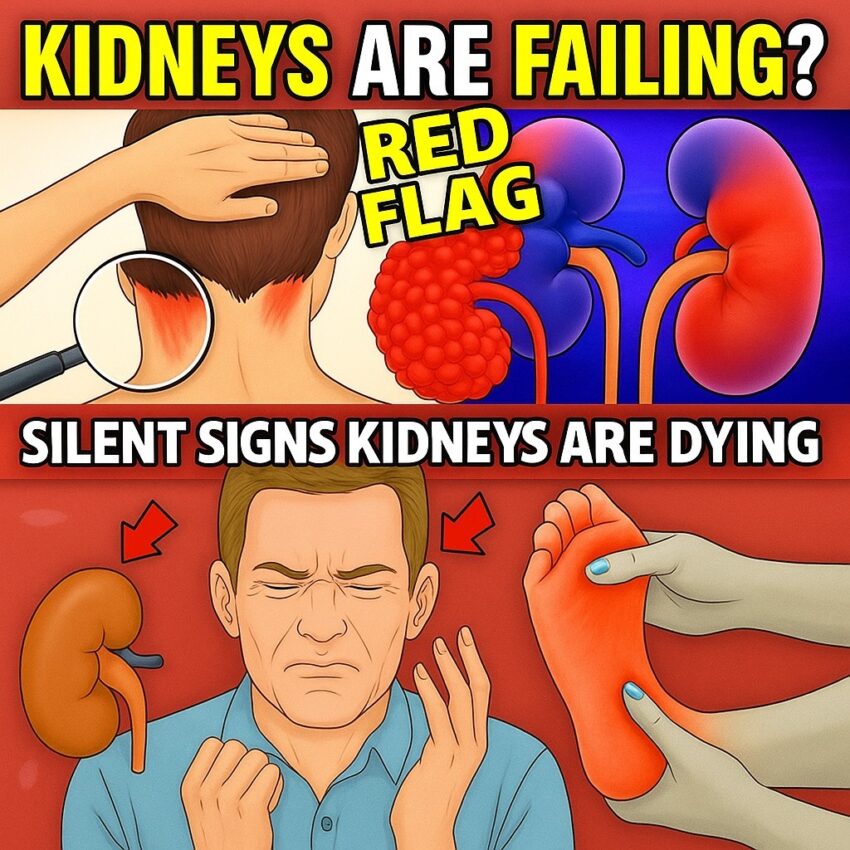
Here’s a clear and careful breakdown of silent warning signs that may indicate kidney stress or early kidney disease. These signs are often subtle, so early recognition can help prevent serious complications. ⚠️ This information is educational and not a substitute for medical advice—see a doctor if you notice these symptoms.
🚨 23 Silent SOS Signs Your Kidneys May Be Struggling
1–5: Urinary Changes
- Changes in urine frequency – going more or less often than usual.
- Foamy or bubbly urine – may indicate protein leakage.
- Blood in urine (hematuria) – pink, red, or brown urine.
- Painful urination or burning sensation – could indicate infection affecting kidneys.
- Difficulty urinating – trouble starting, weak flow, or incomplete emptying.
6–10: Swelling & Fluid Retention
- Swelling in hands, feet, or ankles (edema)
- Puffiness around the eyes
- Unexplained weight gain from fluid retention
- Swollen abdomen or bloating
- Sudden swelling after exercise or standing
11–15: Fatigue & Cognitive Symptoms
- Persistent fatigue or exhaustion – kidneys not filtering toxins efficiently.
- Difficulty concentrating or “brain fog”
- Dizziness or lightheadedness
- Sleep disturbances – trouble falling or staying asleep.
- Muscle cramps, especially at night – low calcium or high phosphate levels.
16–20: Digestive & Skin Symptoms
- Loss of appetite – buildup of toxins can suppress hunger.
- Nausea or vomiting
- Metallic taste in mouth or bad breath
- Dry, itchy skin – indicates electrolyte or mineral imbalance.
- Pale or yellowish skin – possible anemia due to reduced kidney function.
21–23: Other Subtle Signs
- Persistent back pain or flank pain – usually near the lower ribs.
- High blood pressure – can be both a cause and symptom of kidney issues.
- Frequent nighttime urination (nocturia) – kidneys struggle to concentrate urine.
⚠️ Key Takeaways
- Many early kidney issues are asymptomatic or mistaken for fatigue, aging, or stress.
- Blood and urine tests are the only reliable way to detect early kidney problems.
- People at higher risk: diabetes, high blood pressure, family history of kidney disease, older adults.
💡 Kidney-Supportive Tips
- Stay hydrated, but avoid excessive fluids if you have kidney disease.
- Maintain healthy blood pressure and blood sugar.
- Limit high-sodium, ultra-processed foods.
- Avoid overuse of NSAIDs (ibuprofen, naproxen).
- Regular check-ups with kidney function tests (creatinine, eGFR, urine albumin) if at risk.
If you want, I can also make a “silent kidney stress checklist” with visual cues and when to see a doctor, so you can spot problems early before serious damage occurs. Do you want me to create that?
