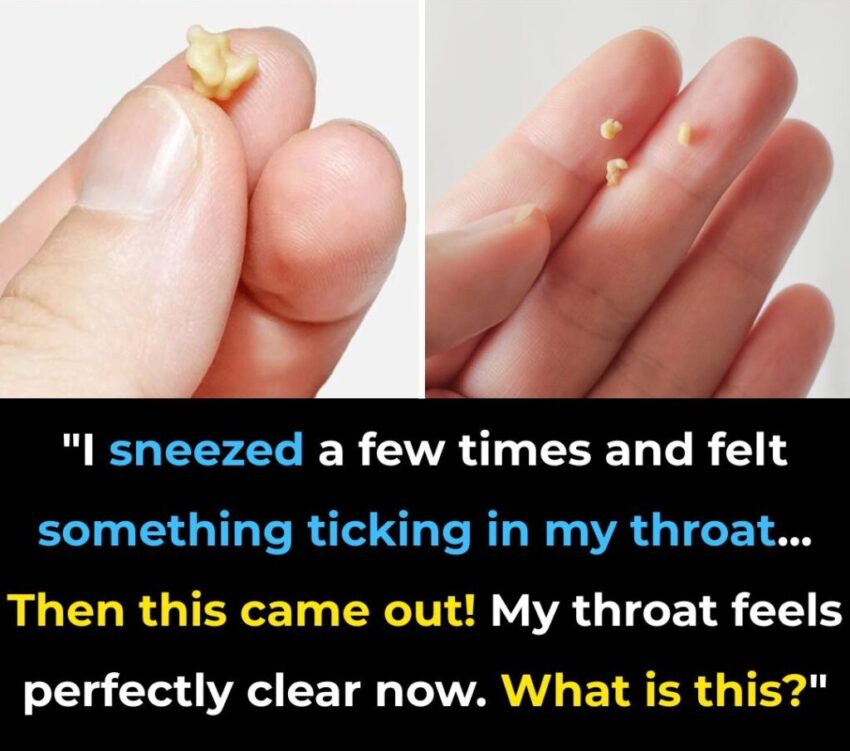
🦷 Tonsil Stones (Tonsilloliths)
Tonsil stones are small, hard lumps that form in the crevices (crypts) of your tonsils. They’re usually white or yellow and can cause bad breath or throat discomfort.
🧬 Why They Form
Your tonsils have tiny pockets that can trap:
- Food particles
- Dead cells
- Mucus
- Bacteria
Over time, this debris hardens (calcifies) into stones.
👃 Common Symptoms
- Persistent bad breath (very common)
- Feeling something stuck in your throat
- Mild sore throat
- Ear pain (referred pain)
- White/yellow visible lumps on tonsils
- Difficulty swallowing (rare, usually if large)
Some people have no symptoms and only notice them accidentally.
🧪 Are They Dangerous?
Usually not serious.
They’re not contagious and typically don’t cause major health problems.
However, large or frequent stones can:
- Cause discomfort
- Increase infection risk
- Be associated with chronic tonsillitis
🏠 Home Removal Options (Gentle Methods Only)
- Gargle with warm salt water
- Use a water flosser on very low setting
- Coughing may dislodge small stones
- Maintain excellent oral hygiene
⚠️ Avoid sharp objects — you can injure your tonsils and cause bleeding.
👨⚕️ When to See a Doctor
- Frequent or painful stones
- Recurring tonsil infections
- Severe swelling
- Fever
- Trouble breathing or swallowing
In persistent cases, a doctor may recommend:
- Prescription mouth rinses
- Removal in office
- Tonsillectomy (rare, for chronic problems)
🧼 Prevention Tips
- Brush teeth and tongue daily
- Floss regularly
- Use non-alcoholic mouthwash
- Stay hydrated
- Treat allergies/postnasal drip if present
🧠 Interesting Fact
Tonsil stones are more common in people with:
- Large tonsils
- Deep tonsil crypts
- Chronic sinus issues
- Frequent throat infections
If you’d like, I can also explain:
- What they look like vs. strep throat
- Why they cause bad breath
- How to prevent them long-term
- Whether they’re linked to gut health
Just let me know!
