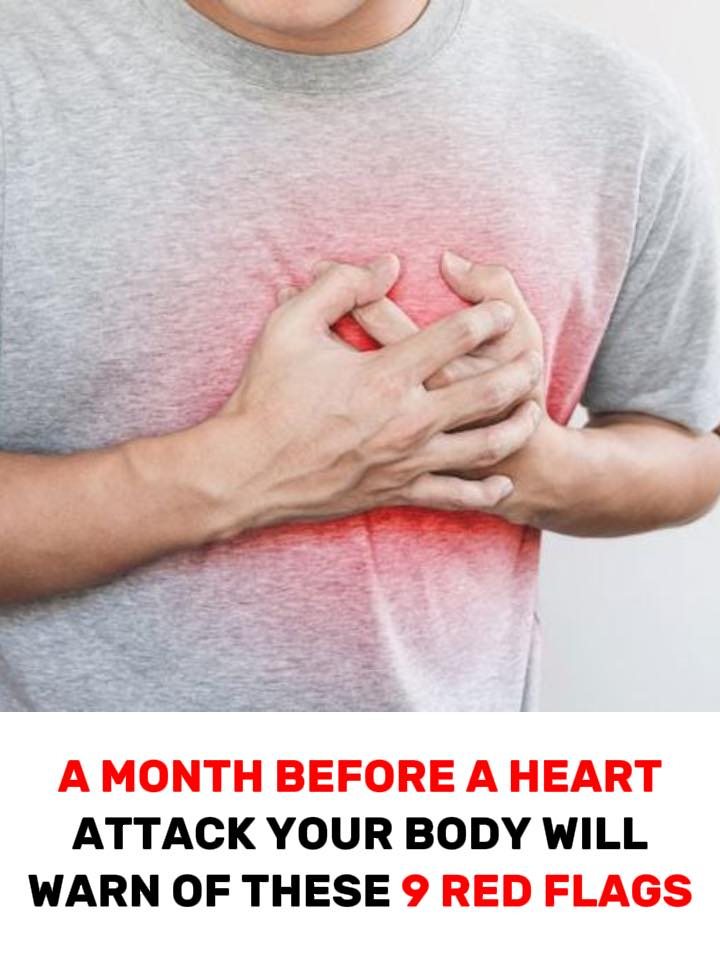
Here’s a clear breakdown of heart attack, cardiac arrest, and stroke symptoms, and how they differ. These are serious medical emergencies—knowing the signs can save lives.
1. Heart Attack (Myocardial Infarction)
What it is:
- Occurs when blood flow to a part of the heart is blocked, usually by a clot.
Common Symptoms:
- Chest pain or pressure (may feel like squeezing, fullness, or heaviness)
- Pain radiating to arm, shoulder, neck, jaw, or back
- Shortness of breath
- Sweating, nausea, or vomiting
- Lightheadedness or dizziness
- Fatigue
Note: Women, older adults, and diabetics may have atypical symptoms like nausea, back pain, or just fatigue.
2. Cardiac Arrest
What it is:
- The heart suddenly stops beating effectively, often due to an electrical problem (arrhythmia).
Symptoms / Signs:
- Sudden collapse
- No pulse
- No breathing
- Loss of consciousness
- May occur without warning
Emergency action:
- Call emergency services immediately
- Start CPR and use an AED if available
Difference from heart attack: A heart attack can trigger cardiac arrest, but cardiac arrest can occur suddenly without prior heart attack symptoms.
3. Stroke
What it is:
- Occurs when blood flow to the brain is blocked (ischemic) or a blood vessel bursts (hemorrhagic).
FAST Symptoms (Key to Remember):
- F – Face drooping: One side of the face droops when smiling
- A – Arm weakness: One arm drifts downward when raised
- S – Speech difficulty: Slurred or strange speech
- T – Time to call 911: Immediate medical attention
Other symptoms:
- Sudden severe headache
- Vision changes (double or blurred vision)
- Sudden dizziness, trouble walking, or loss of balance
- Numbness or weakness on one side of the body
⚠️ Critical Points
- Heart attack: Often gradual chest discomfort, may have warning signs
- Cardiac arrest: Sudden collapse, life-threatening immediately
- Stroke: Sudden neurological deficits; FAST helps rapid recognition
Quick recognition and calling emergency services immediately can make the difference between life and death.
If you want, I can make a one-page “emergency symptoms cheat sheet” for all three—easy to memorize for quick action. Do you want me to do that?
