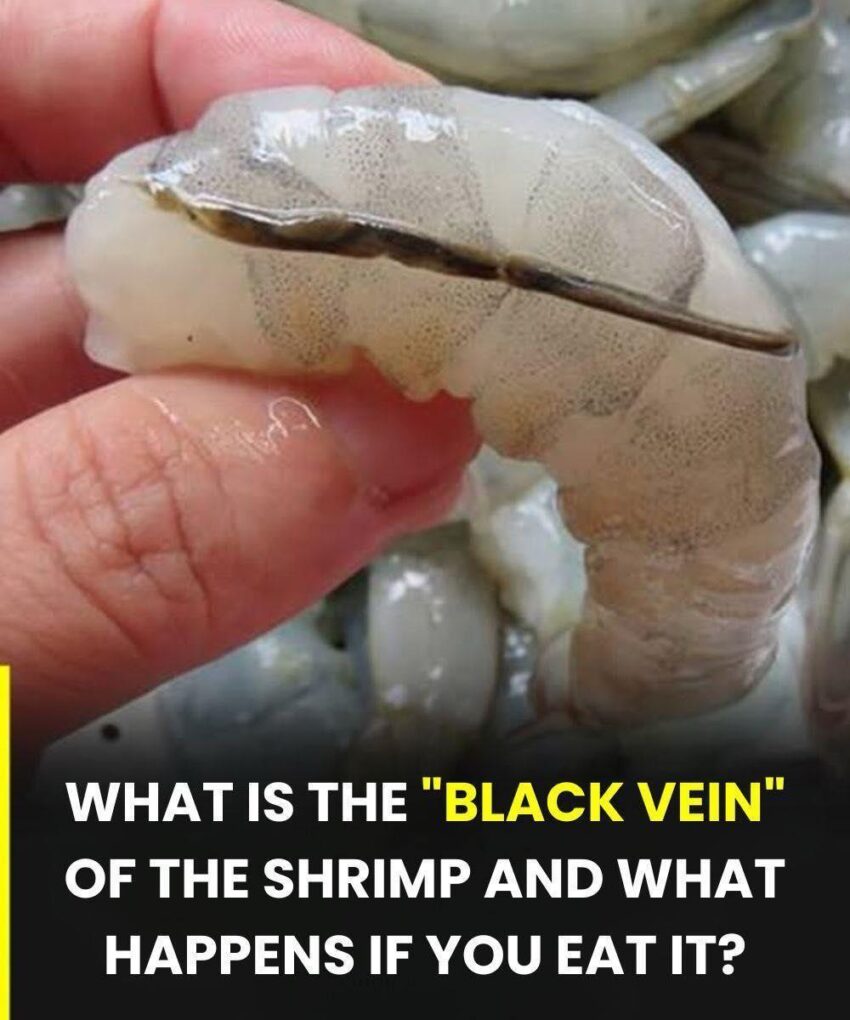
Caridean shrimp refers to a large group of shrimp belonging to the infraorder Caridea, which includes many species commonly eaten around the world. Here’s a detailed overview:
Key Facts
- Scientific classification: Infraorder Caridea
- Habitat: Mostly found in marine and freshwater environments globally
- Size: Varies widely depending on species—from small (a few centimeters) to larger edible types like whiteleg shrimp (Litopenaeus vannamei)
- Examples:
- Whiteleg shrimp (Litopenaeus vannamei)
- Northern shrimp (Pandalus borealis)
- Ghost shrimp (Palaemonetes species, often used in aquariums)
Culinary Uses
- Taste & texture: Mild, slightly sweet, firm flesh
- Cooking methods:
- Boiling or steaming
- Grilling or sautéing
- Frying or in tempura
- Dishes: Shrimp cocktails, stir-fries, pasta, curries, gumbo, and sushi
Nutrition (per 100 g, cooked)
- Calories: ~99 kcal
- Protein: 24 g
- Fat: 0.3 g
- Carbs: 0 g
- Rich in selenium, iodine, and vitamin B12
Caridean shrimp are versatile, easy to cook, and nutrient-rich, making them a popular choice for healthy meals.
I can also give a quick Caridean shrimp recipe that’s flavorful and cooks in under 10 minutes. Do you want me to do that?
