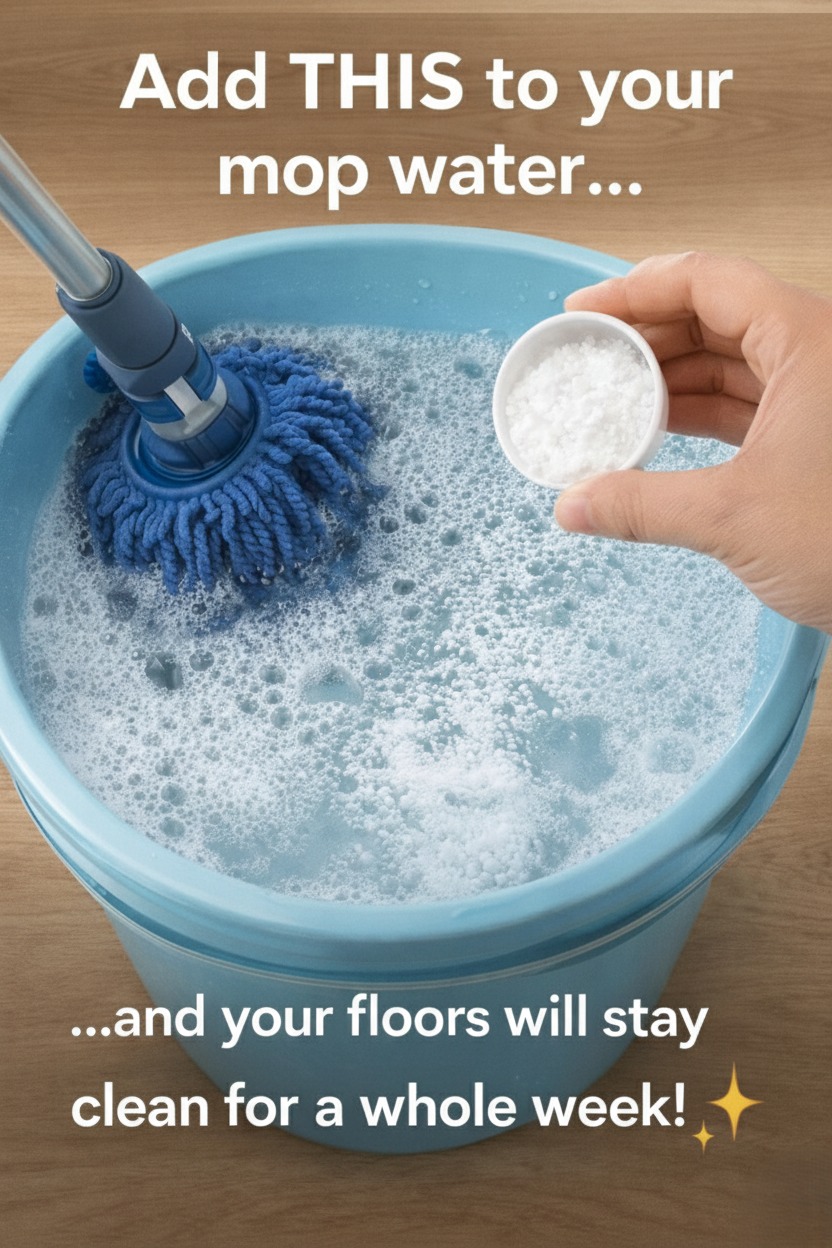
Here’s a clear and practical guide for cleaning floors effectively, tailored to different floor types and situations:
🧹 1. Identify Your Floor Type
- Hardwood / Engineered Wood: Sensitive to water; use mild cleaners.
- Tile / Ceramic / Porcelain: Durable; can handle stronger cleaners.
- Vinyl / Laminate: Avoid excess water; mild soap works best.
- Stone (marble, granite): Use pH-neutral cleaners to avoid etching.
🧼 2. Basic Floor Cleaning Steps
- Clear the Floor
- Remove rugs, furniture (if possible), and debris.
- Sweep or Vacuum
- Sweep or vacuum first to remove dust, hair, and dirt.
- Prepare Cleaning Solution
- Hardwood/Laminate: ½ cup mild dish soap in 1 gallon warm water.
- Tile/Stone: Mix warm water with a few drops of floor cleaner or ½ cup vinegar (except on natural stone).
- Vinyl: Warm water + mild soap.
- Mop or Wipe
- Use a microfiber mop or damp cloth.
- Avoid soaking the floor—excess water can damage wood or laminate.
- Rinse (if needed)
- For sticky or soapy residues, rinse mop in clean water and wipe the floor again.
- Dry
- Wipe with a dry microfiber mop or towel, especially on wood or laminate, to prevent warping.
💡 Extra Tips
- For tough stains: Make a paste of baking soda + water for spot cleaning.
- Disinfecting: A solution of water + a small amount of bleach (for tile only) or commercial floor disinfectant works.
- Frequency: Sweep daily, mop weekly or as needed depending on traffic.
- Avoid harsh tools: Steel wool, abrasive brushes, or strong chemicals can scratch or damage flooring.
If you want, I can give a step-by-step “super fast floor cleaning routine” that gets most floor types sparkling in under 15 minutes, perfect for busy households.
Do you want me to do that?
