🕷️ New Zealand Mantis (Praying Mantis)
The New Zealand mantis — scientific name Orthodera novaezealandiae — is a species of praying mantis native and endemic to New Zealand. It’s commonly called the New Zealand praying mantis or just “New Zealand mantis.” (Animalia)
🐜 What it looks like
- Bright green colour and relatively small, about 30–40 mm long as an adult. (Landcare Research)
- It has a triangular head with large compound eyes and long, spiked forelimbs for catching prey. (Wikipedia)
- A distinctive feature is a blueish patch on the inside of its front legs which helps tell it apart from other mantis species in New Zealand. (Landcare Research)
🔎 Behaviour and ecology
- This mantis is a predatory insect, feeding on smaller insects and arthropods. (Landcare Research)
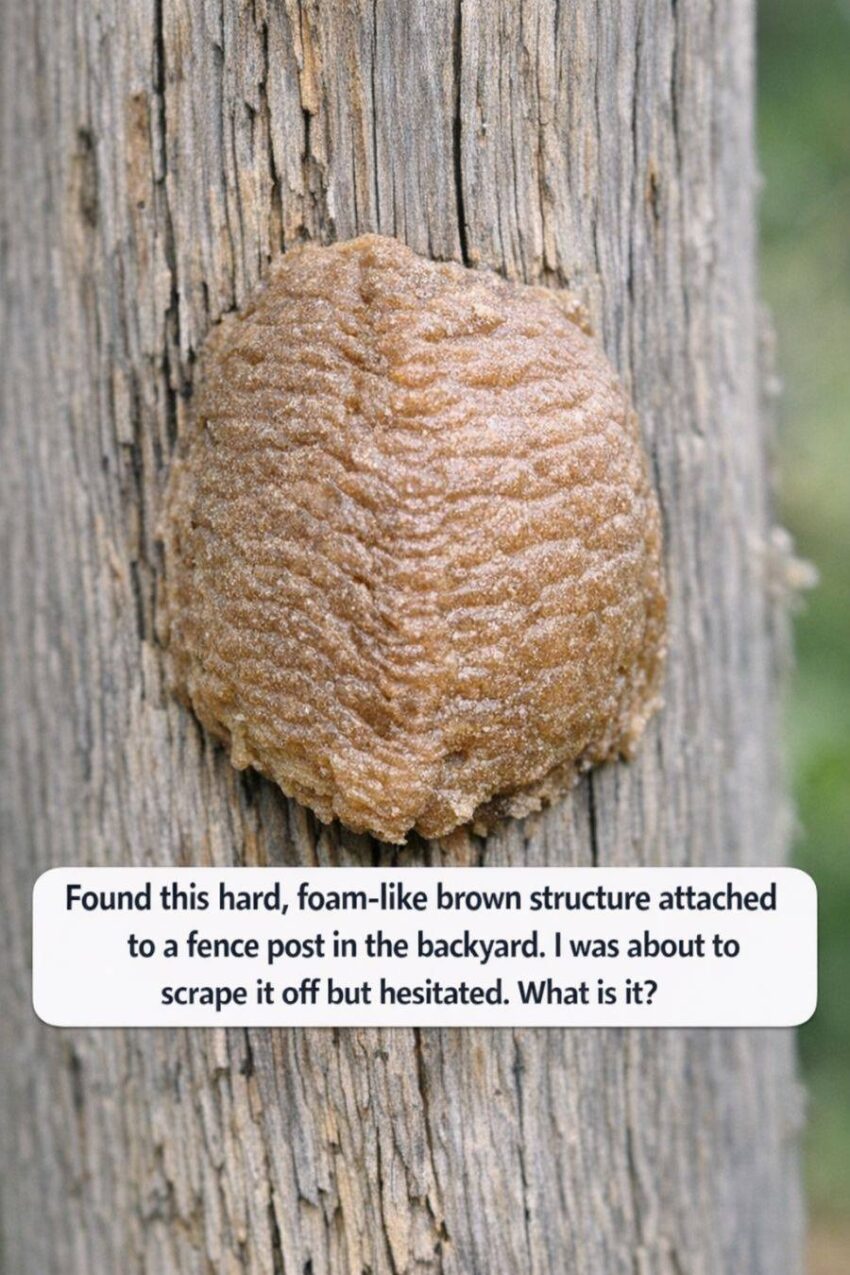
- Their eggs are laid in a foamy egg case (ootheca) that hardens and protects the developing young. (Landcare Research)
- They are typically found outdoors on leaves and in gardens. (Landcare Research)
🧠 Interesting facts
- It’s considered an iconic native insect of New Zealand and is sometimes featured in natural history or ecology events there. (Bug of the Year)
- Unlike some other mantis species (like an introduced South African mantis now found in NZ), the New Zealand mantis doesn’t often eat its mate after reproduction — sexual cannibalism is rare in this species. (Bug of the Year)
🪰 Two mantises in New Zealand
While Orthodera novaezealandiae is native, another mantis species — South African praying mantis (Miomantis caffra) — was introduced to New Zealand in the late 1970s. It can be confused with the native species but can be distinguished by differences like colour variation and leg markings. (Wikipedia)
If you want, I can share how to tell apart the native New Zealand mantis from the introduced South African mantis or more about their life cycle and habitat needs!
