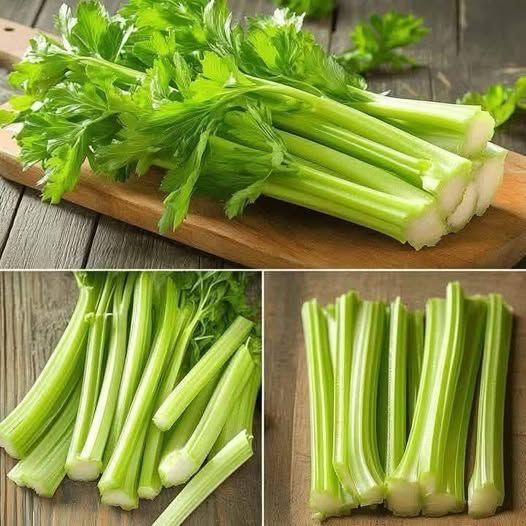
Ah, leaf celery—a wonderfully aromatic and versatile part of the celery plant that often gets overlooked. Let’s go into detail:
1. What Leaf Celery Is
- Leaf celery refers to the feathery green leaves at the top of celery stalks.
- Often more flavorful and aromatic than the stalks themselves.
- Sometimes called celery tops or celery leaves.
- Can be used fresh or cooked, similar to parsley or herbs.
2. Nutritional Highlights (per 1 cup, chopped)
- Calories: ~10 kcal
- Carbohydrates: 2 g
- Fiber: 1 g
- Vitamin A: ~30% DV (mainly as beta-carotene)
- Vitamin C: ~10% DV
- Vitamin K: ~60% DV
- Folate & minerals: potassium, calcium, iron
💡 Leaf celery is nutrient-dense, low in calories, and rich in antioxidants, making it great for immune support, eye health, and bone health.
3. Culinary Uses
- Fresh garnish: Chop and sprinkle on soups, stews, or roasted vegetables.
- Salads: Mix into green salads or grain bowls for added flavor.
- Soups and stocks: Adds depth to broths and homemade soups.
- Pesto or chimichurri: Blend with nuts, garlic, and olive oil for a flavorful herb sauce.
- Herbal substitute: Can replace parsley or cilantro in many recipes.
4. Flavor Profile
- Slightly herbaceous, fresh, and mildly bitter.
- Aroma is more intense than celery stalks.
- Works well with garlic, lemon, olive oil, or vinegar.
5. Health Benefits
- Rich in antioxidants: Protects against oxidative stress.
- Supports digestion: Fiber and phytochemicals help gut health.
- Anti-inflammatory: Celery compounds can reduce inflammation.
- Bone & heart health: Vitamin K and potassium support cardiovascular and skeletal health.
💡 Tip: Don’t discard celery leaves! They’re perfect in broths, soups, or as a fresh topping, and they provide more nutrients than the stalks themselves.
If you want, I can make a “healing leaf celery recipe”, like a ginger-garlic-leaf celery soup or broth, combining it with other immune-boosting ingredients.
Do you want me to do that?
