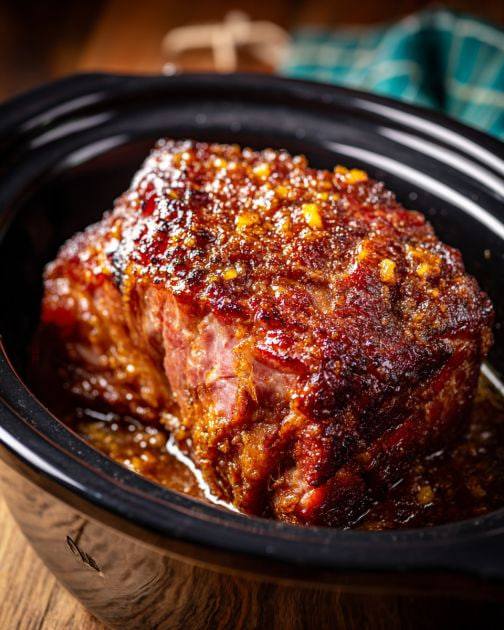
Got it—let’s dive deep into pork shoulder and what makes it special. 🐷
Overview
- Cut location: Upper part of the pig’s front leg (shoulder area).
- Texture: Tough and muscular with connective tissue, but well-marbled with fat.
- Names: Often sold as Boston butt (upper shoulder) or picnic shoulder (lower part, sometimes with skin and bone).
Nutrition (per 100g, roasted, lean portion)
- Calories: ~250 kcal
- Protein: ~27 g
- Fat: ~15 g
- Carbs: 0 g
It’s protein-rich, but also higher in fat than lean cuts like pork loin, which keeps it juicy and flavorful during slow cooking.
Cooking Methods
Pork shoulder is best cooked slowly to break down the connective tissue (collagen), turning it tender:
- Slow Roasting: Low oven temperature for several hours → perfect for pulled pork.
- Braising: Cooked in liquid (broth, wine, beer) → tender, flavorful meat.
- Smoking: Ideal for BBQ → fat keeps meat moist during long cook.
- Stewing: Cubed pork shoulder works well in soups, chili, or stews.
Flavor Pairings
- Herbs: Rosemary, thyme, bay leaves
- Spices: Paprika, cumin, chili powder, garlic
- Sauces: Barbecue, soy-ginger, citrus marinades
- Vegetables: Onions, garlic, peppers, carrots
Tips
- Score the fat if roasting to render and crisp it.
- Marinate overnight for deeper flavor.
- Let meat rest after cooking to redistribute juices.
- Pulled pork is easiest to shred after cooling slightly in its own cooking liquid.
Pork shoulder is a go-to cut for slow-cooked, fall-apart tender dishes—from tacos to stews to BBQ classics.
I can make a step-by-step recipe for juicy pulled pork shoulder that’s perfect for tacos or sandwiches if you want—it’s basically foolproof. Do you want me to do that?
