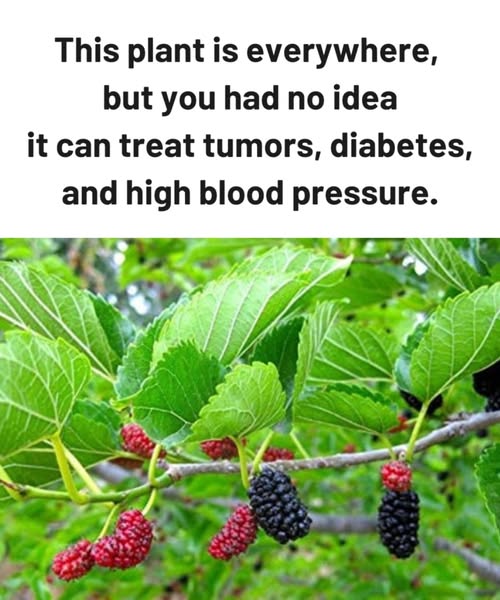
Are you asking about the mulberry tree in terms of general information, care, or something else (like its fruit or cultural uses)? I can give a detailed overview, but I want to focus on the right aspect first.
Here’s a general introduction:
Mulberry Tree Overview
Scientific Name: Morus species
Family: Moraceae
Description
- Deciduous trees, ranging from small shrubs to medium-sized trees (10–30 ft / 3–9 m, sometimes larger).
- Leaves: alternate, simple, often lobed depending on species.
- Fruit: small, sweet, and berry-like, typically red, white, or black, depending on species.
- Bark: grayish-brown, rough texture.
Common Types
- White Mulberry (Morus alba) – native to China, often used to feed silkworms. Fruit can be white, pink, or purple.
- Red Mulberry (Morus rubra) – native to North America, dark purple fruit.
- Black Mulberry (Morus nigra) – native to Western Asia, large dark purple-black fruit, very sweet.
Uses
- Edible fruit: eaten fresh, dried, or in jams, pies, and smoothies.
- Leaves: especially Morus alba, used for silkworm cultivation.
- Wood: hard, fine-grained, used in furniture or musical instruments.
- Ornamental: shade trees in landscapes.
Growing Conditions
- Sun: full sun to partial shade
- Soil: well-drained, tolerates many soil types
- Water: moderate; drought-tolerant once established
- Pruning: shapes tree and removes dead wood
Fun Facts
- Mulberries ripen over several weeks, and birds love them.
- The name “mulberry” comes from the Latin morum, meaning mulberry.
- Mulberries stain easily—watch your clothes when picking!
If you want, I can also give you a step-by-step guide to growing mulberry trees at home or recipes using mulberries.
Do you want me to focus on growing, cooking, or general facts?
