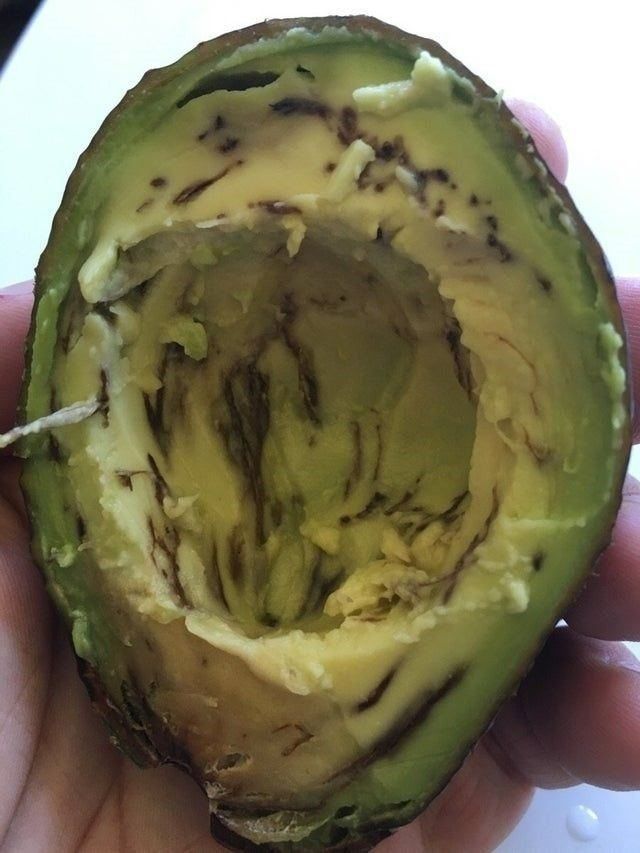
The Hass avocado is the most common and popular variety of avocado worldwide. Here’s a detailed overview:
Overview
- Scientific Name: Persea americana
- Origin: Mexico, cultivated widely in California, Chile, and other subtropical regions
- Discovery: 1926 by Rudolph Hass (hence the name)
- Tree Type: Evergreen, grows 12–40 ft tall, prefers warm climates
Fruit Characteristics
- Shape: Oval or pear-shaped
- Skin: Dark green to purplish-black when ripe, pebbly texture
- Flesh: Pale green, creamy, buttery
- Seed: Large, round pit in the center
- Size: Usually 5–12 oz (140–340 g)
Flavor and Texture
- Rich, creamy, and slightly nutty
- Mild flavor that pairs well with both savory and sweet dishes
Uses
- Guacamole and dips
- Salads, sandwiches, and toast
- Smoothies and desserts
- Topping for tacos, soups, or sushi
Nutritional Benefits (per 100 g)
- Calories: ~160
- Healthy fats: 15 g (mostly monounsaturated)
- Fiber: 7 g
- Protein: 2 g
- Rich in potassium, vitamin E, vitamin K, folate, and antioxidants
Interesting Facts
- Hass avocado skin darkens as it ripens; gentle pressure tests ripeness.
- One tree can produce 200–300 fruits per year once mature.
- The Hass variety accounts for 80%+ of the U.S. avocado market.
If you want, I can give you tips for picking, ripening, storing, and using Hass avocados in recipes so they’re perfect every time. Do you want me to do that?
