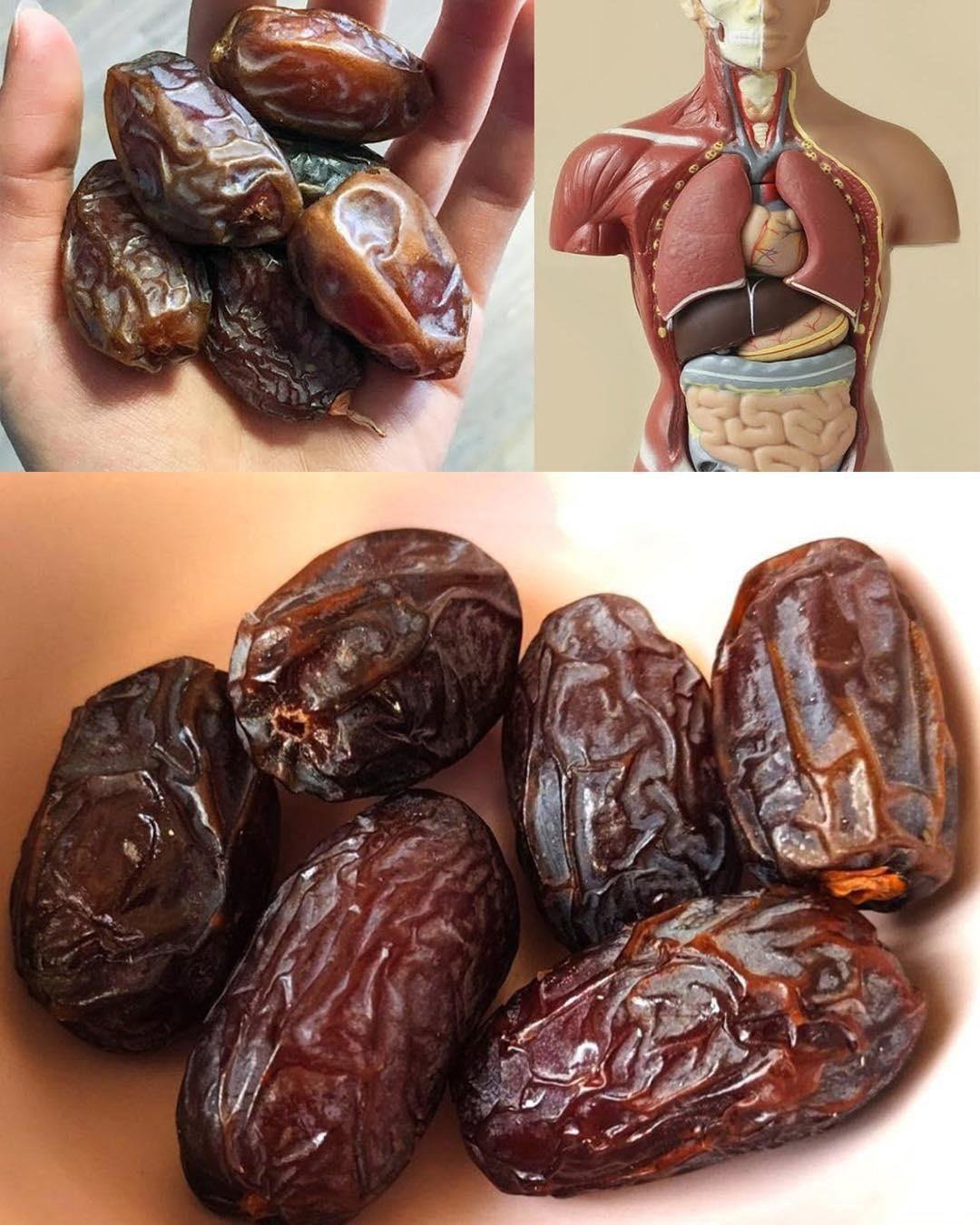
Here’s a detailed overview:
Scientific Classification
-
Scientific name: Phoenix dactylifera
-
Family: Arecaceae (palm family)
-
Type: Perennial, flowering plant
Description
-
Height: Typically 15–25 meters (50–82 feet) tall.
-
Trunk: Single, tall, and cylindrical with a rough surface from old leaf bases.
-
Leaves: Long, feathery fronds (up to 6 meters / 20 feet) that grow in a crown at the top.
-
Fruit: Dates — oval-shaped, sweet, and rich in sugar; can be eaten fresh or dried.
Growth & Cultivation
-
Climate: Hot, arid, and semi-arid regions (native to the Middle East and North Africa).
-
Soil: Well-drained sandy loam is ideal.
-
Watering: Moderate; tolerant to drought but needs irrigation for commercial fruit production.
-
Pollination: Usually hand-pollinated in commercial plantations to improve fruit yield.
Uses
-
Food: Dates are eaten fresh or dried, used in desserts, snacks, and traditional dishes.
-
Agriculture: Date seeds can be used as animal feed.
-
Crafts: Leaves used for weaving mats, baskets, and roofing.
-
Cultural & Religious: Dates have historical and symbolic importance, especially in Middle Eastern cultures and religious traditions.
Interesting Facts
-
Date palms can live for up to 100 years and produce fruit for decades.
-
One tree can produce 100–200 pounds of dates per year under ideal conditions.
-
Dates are rich in fiber, potassium, and antioxidants.
If you want, I can also give a quick guide on how to grow your own date palm at home. Do you want that?
